
Daniel Castaneda on Immigration Law, Criminal Defense, and Knowing Your Rights
Episode Overview
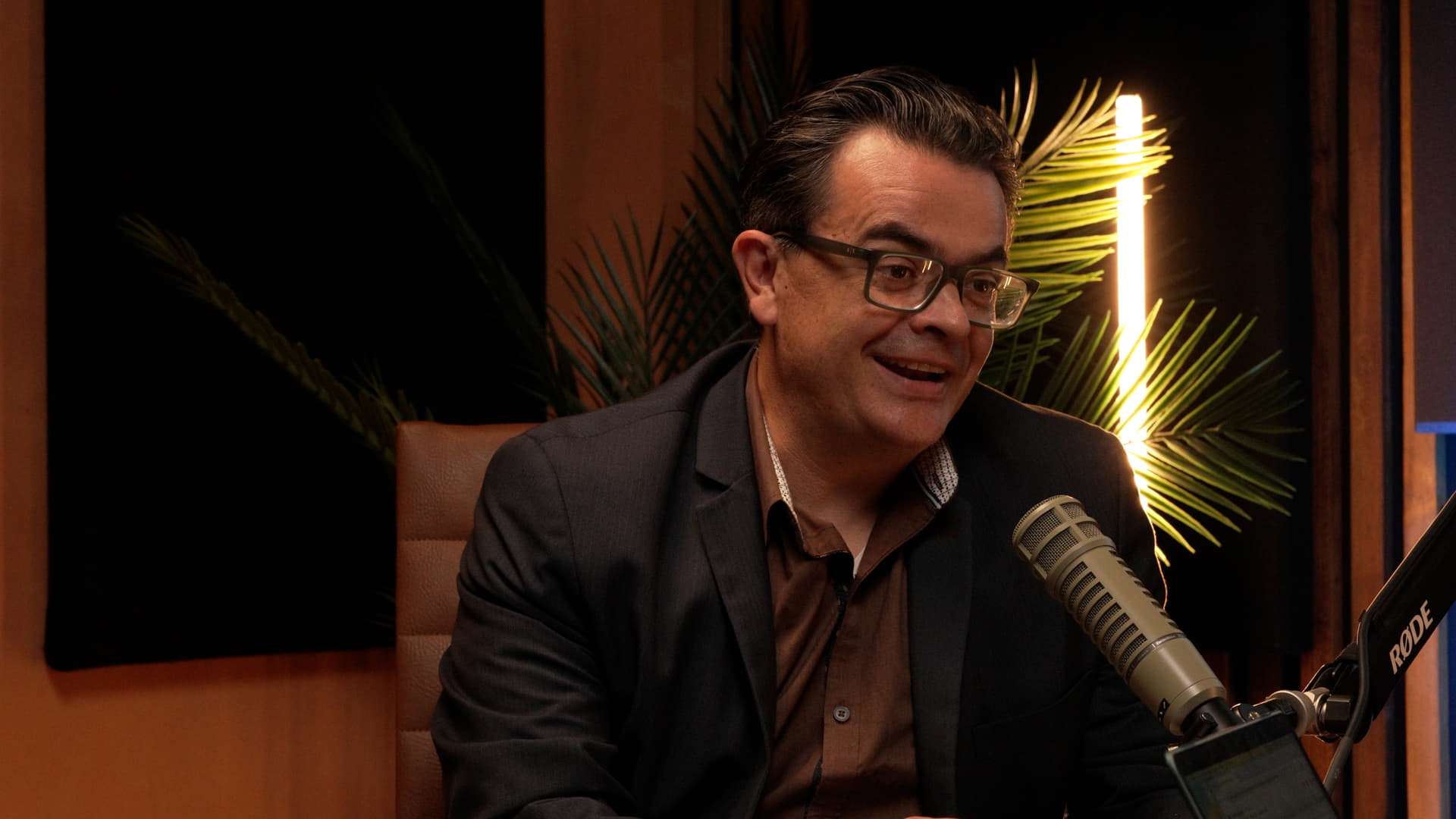
In this episode of The Personal Side of Business, Jet Bunditwong sits down with Daniel Castaneda, APC, an attorney with more than 15 years of experience in immigration law and criminal defense in San Diego. Daniel shares his personal story, how his own family background influenced his understanding of the immigration system, and why he ultimately chose a legal path centered on helping people during some of the most difficult moments of their lives.
The conversation also explores what undocumented immigrants and visa holders should understand about their rights, how detention and deportation defense often works in practice, the impact of changing immigration enforcement, and why legal guidance can be so critical when criminal and immigration issues overlap.
Summary
Daniel Castaneda’s journey into law was shaped by a deeply international upbringing. Born in Mexico City to a German mother and Mexican father, and with family ties in the United States, Daniel experienced the immigration system personally before later working within it professionally. That lived experience gave him a unique perspective on citizenship, identity, and opportunity.
Although law ran in his family, Daniel did not initially know he wanted to become a lawyer. He studied psychology, later earned a master’s degree in international relations, and eventually realized that law offered the kind of dynamic, meaningful career he was looking for. After beginning in civil litigation, he found that immigration law and criminal defense were a much better fit for his personality and values.
Daniel explains that immigration and criminal defense work can be especially rewarding because the stakes are so high. Instead of fighting over money or contract disputes, he is often fighting for a person’s freedom, stability, family unity, and future. He discusses how his bilingual ability and connection to the Hispanic community made this work feel natural and purposeful.
A major portion of the episode focuses on the realities of immigration enforcement. Daniel explains that under the current administration, he has seen increased enforcement activity, more detentions, and broader categories of people being targeted than in previous years. He walks through how an ICE detention case might work, including bond hearings, deportation defense strategies, and the difference between criminal court and immigration court.
The episode also covers practical advice for immigrants and families. Daniel stresses the importance of understanding constitutional rights, asking to see a judge, avoiding self-incrimination, keeping paperwork organized, and exploring every possible legal pathway available. He also shares his views on DACA, why he believes Dreamers deserve greater protection, and what he would change in the system if he could.
Throughout the conversation, Daniel comes across as thoughtful, grounded, and deeply aware of the human impact behind legal cases. His perspective highlights not only the technical side of immigration law, but also the emotional, family, and social realities involved.
Key Takeaways
1. Daniel’s personal background shaped his professional path
Because he personally benefited from a family-based pathway to U.S. citizenship, Daniel understands immigration law from both a legal and human perspective.
2. He did not start out in immigration law
Daniel began in civil litigation, but eventually found more meaning in immigration and criminal defense work, where he could directly help people facing serious life challenges.
3. Immigration enforcement has become more aggressive
Daniel shares that he has seen an increase in detentions and enforcement actions, including against groups who previously may not have been considered priorities.
4. Immigration and criminal law often overlap
Even relatively minor criminal issues can trigger serious immigration consequences, which is why legal guidance is so important when someone is undocumented or on a visa.
5. Bond hearings are critical in detention cases
When someone is detained by ICE, one of the first goals is often trying to secure release through a bond hearing while the broader immigration case continues.
6. Immigrants still have rights
Daniel emphasizes that people should know they may ask questions, remain silent, request to see a judge, and avoid signing voluntary departure without understanding the consequences.
7. Organization matters
Keeping tax records, identification documents, birth certificates, immigration paperwork, and other records organized can make a major difference in building a defense or petition.
8. Family is often the most direct legal pathway
Marriage to a U.S. citizen, petitions through children over 21, and other family-based avenues are among the most common ways undocumented immigrants pursue lawful status.
9. DACA recipients remain in uncertainty
Daniel believes Dreamers are one of the clearest groups deserving long-term protection, yet many still remain stuck in legal limbo.
10. Law is a meaningful path for people who want to serve others
For anyone considering law, Daniel presents it as a profession that can align with personality, values, and a genuine desire to seek justice.
FAQ
Who is Daniel Castaneda?
Daniel Castaneda, APC, is a San Diego attorney with more than 15 years of experience in immigration law and criminal defense.
What areas of law does Daniel focus on?
He focuses on immigration matters such as family petitions, visas, and deportation defense, along with criminal defense representation.
Why did Daniel choose immigration law?
Although he began in civil litigation, he found immigration law and criminal defense more meaningful because of the direct impact they have on people’s lives, freedom, and families.
What does Daniel say immigrants should do if they are detained?
He recommends asking to see a judge, avoiding signing voluntary departure without understanding it, staying calm, and getting legal help as quickly as possible.
Can criminal trouble affect immigration status?
Yes. Daniel explains that even arrests, convictions, or visa-status violations can create serious immigration consequences depending on the case.
What legal pathways does Daniel mention for undocumented immigrants?
He discusses family-based petitions, adjustment of status for lawful entries, waivers for unlawful presence, and other case-specific avenues depending on family ties and history.
What does Daniel think should change in the immigration system?
One of the biggest changes he would make is giving DACA recipients a stronger, more permanent path to legal status.
Where can people find Daniel Castaneda?
Daniel shares that people can find him through his website and by searching for his name online.
Guest Bio
Daniel Castaneda, APC is an immigration and criminal defense attorney based in San Diego, California. With over 15 years of legal experience, he works with individuals and families facing complex immigration issues, deportation defense cases, and criminal matters that can affect immigration status. Drawing from his own international family background and lived understanding of the immigration process, Daniel brings both legal knowledge and compassion to his practice.
Why This Episode Matters
This episode is especially important because it brings clarity to an area of law that many people find overwhelming or intimidating. Immigration law is not just about policy or headlines — it affects real families, real livelihoods, and real futures. Daniel helps break down the system in a way that is practical, human, and informative.
For listeners who want to better understand immigration issues, the rights of undocumented individuals, the challenges facing mixed-status families, or the intersection of criminal and immigration law, this conversation offers valuable perspective.
Listen to the Episode
Listen to this episode of The Personal Side of Business to hear Daniel Castaneda share his journey into law, what he is seeing in immigration enforcement today, and the advice he gives to people trying to protect themselves and their families.
If you enjoy conversations that explore the real stories behind business, leadership, law, and personal growth, be sure to follow The Personal Side of Business for more episodes. Each conversation highlights not just what people do professionally, but the personal journey that shaped how they got there.
Click to Expand Full Episode Transcript
Full Episode Transcript
Jet Bunditwong: Welcome to The Personal Side of Business, where every business has a story. Today I’d like to welcome Daniel Castaneda, APC. He’s an attorney of over 15 years with experience in immigration and criminal defense law in San Diego, with a focus on family petitions, visas, and deportation defense. Welcome, Daniel.
Daniel Castaneda: Hi, good afternoon. How did I become a lawyer? How did I get involved in this whole thing? Well, a little bit of my history. I was originally born in Mexico City. My mother’s German. My dad is from the Pacific coast of Mexico. They randomly met in Acapulco. I was brought into this world.
Jet Bunditwong: So how did we get here?
Daniel Castaneda: My grandfather is from Illinois, so I would come and visit Chicago during the summers. I was raised in Mexico City until I was 18, but I would spend a lot of time in Chicago with my grandparents. I had that exposure and the opportunity to come to the States because through my mother I became a U.S. citizen. Well, through my grandfather actually, who made my mother a U.S. citizen. Then I was able to become a U.S. citizen, even though I lived in Mexico.
Daniel Castaneda: So I am kind of a product of the immigration system, which I later realized as I grew up. Because of that connection in Chicago, I was exposed to the Midwest. I wanted to go to school here and I applied to Michigan State, and that’s where I went to college. I’m one of five siblings, and my sister is a lawyer. She’s older and she’s in London. My oldest brother went to law school in Mexico City. My father is a lawyer in Mexico. Two of my aunts are lawyers in Mexico. So it’s kind of in the family, but it was never pushed upon us.
Daniel Castaneda: My undergrad is in psychology. After graduating from Michigan State, I went back to Mexico City for a little bit, then transferred to a university here in San Diego and got a master’s degree in international relations. I was still kind of trying to figure things out. Then it just kind of hit me that I wanted to continue education. My wife has a PhD. The people around me were still continuing their education. I wasn’t ready to settle into a 40-hour job and I was still curious. So law school came about. I applied, and it was a very interesting, formative experience.
Daniel Castaneda: What I liked about it was that it gave you these tools and opened up this whole arena because the legal environment is very broad. There are different branches that you can expose yourself to and decide on. It’s kind of based a little bit on your personality because estate planning has a certain temperament, tax attorneys, corporate attorneys, litigators. It’s a very broad field that can cater to someone’s personality.
Jet Bunditwong: Did you know you wanted to get into immigration law?
Daniel Castaneda: No, I did not. I was really not sure of that area. I started in litigation, civil litigation, at a firm when I first started too. Bankruptcies were a big thing. At first it’s just kind of getting into the field because I had no experience in the legal field. My family’s background was in law in Mexico, so I had no relative that could show me the ropes of the immigration or legal system here in the U.S.
Daniel Castaneda: It was after I got an internship, and then a friend of mine recommended me to a firm that did immigration and criminal defense. I liked the environment. I liked being able to talk to a lot of people. I’m bilingual, so there was a huge Hispanic population, and that allowed me easy access to communicate. I liked helping people. I liked the criminal area too. I’ve always found it to be a privilege to help people and go into detention centers to meet them in very troublesome times and provide some hope, provide some help in their language, and just be a defense attorney, providing that defense. That’s what I liked, and it just clicked.
Daniel Castaneda: When I did civil litigation, I didn’t like the adversarial elements to it. Most of those cases are contract disputes. It’s all about money. There is money to be made, but at the end you’re just pursuing money. Someone owes me money, we’re going to fight, we’re going to litigate, and then we’re divorced. Family law is also very confrontational. Not that criminal defense and immigration are not confrontational, but at least I feel there’s a different element because you’re fighting against the government to a degree. There are discretionary elements. It’s not black and white. You’re fighting for people’s liberty, people’s rights. It’s a little bit more profound and more rewarding, at least in my perspective.
Daniel Castaneda: It was really by chance that I didn’t like civil litigation. My friend was able to connect me with this job and I really enjoyed it and the people I worked with. Then after six years of working with them, I went solo and I’ve been doing my own practice ever since.
Jet Bunditwong: And what were other fields of law that your family was in?
Daniel Castaneda: They do contract disputes. My sister works for a big insurance company in London, and my brother-in-law works for the BBC as an attorney as well.
Jet Bunditwong: So if someone were to get in trouble, your family would be the one.
Jet Bunditwong: So was your family being in law the inspiration for you to get into it, or were you just comfortable going into this career?
Daniel Castaneda: No, my dad never really enforced that on us. I wanted to be a therapist when I went to school. My mother is a therapist and that’s why I studied psychology. I think I liked talking to people. I liked the confidentiality element, that people kind of tell you their secrets, and counseling. I think that was the underlying thing. I was in pursuit of something but I wasn’t sure what it was. I just wanted to keep studying and I was more concerned about having a mundane job, something I wouldn’t feel satisfied with.
Daniel Castaneda: It’s an interesting lifestyle. It’s not monotonous. I go to different courthouses almost every other day of the week. I meet different people from all over the world. So it’s very dynamic. When I saw that, that’s when it clicked. This is what I want to do, even though it took me a while to find it.
Jet Bunditwong: And in regards to work-life balance, being an immigration lawyer and a criminal defense lawyer, do you feel like your hours are a lot more because you have to deal with these two sides of law? Or is it always like that in law?
Daniel Castaneda: That’s a good question. I think work-life balance is something that in every profession we discuss. In these 15 years there have been different ups and downs in terms of that. I do try to make that my focus now. I’ve definitely been very busy recently, but I still have the benefit of running my own practice. One difference is that when you deal with court cases, you are in control of your calendar to a very large degree. You set future hearings. The judge normally is very considerate of your availability. So you have that flexibility to organize your calendar in terms of hearings and when to meet with clients.
Daniel Castaneda: It’s a juggling act, but I have two kids. I’m happily married, and I like to be part of their lives. That’s important. They’re still young, seven and ten. Sometimes it is a juggling act, but I make that a priority. Especially when you’re starting, you really have to make up for it. You’re learning the ropes and it’s easy to get overwhelmed. But now I feel comfortable with what I’m doing. I know how to pick my cases and avoid being overwhelmed. When you’re overwhelmed, you can’t focus on your priorities.
Jet Bunditwong: Were you with a firm when you started? How long were you with them?
Daniel Castaneda: Yes, six years. I was with them for six years. I was there with a couple of other associates and we all kind of matured. I think even the senior partner noticed that. We had kind of reached our limit. We weren’t going to be made associates or partners. It was time to go. We knew it. We learned the ropes and we were like, okay, yeah, we can all do it. I still stay in touch with them, and we’re all independent attorneys now. We just run into each other in court, but we’re all colleagues that started in the same firm.
Jet Bunditwong: Has the amount of work changed recently with the new administration this year?
Daniel Castaneda: Yes. After this administration, there’s been an increase in enforcement, particularly by ICE. There’s been an increase in detentions, and that’s part of my focus, deportation defense. It’s been across the board. It’s been with residents, with undocumented individuals, with people that have been under humanitarian status, students, and groups of people that we never imagined would be targeted per se.
Daniel Castaneda: There’s been an increase in enforcement, as I perceive it. A lot of these cases were just let be because they didn’t seem to be enforcement priorities. That was a criteria up until recently to a degree on the government. The judge would inquire whether this is an enforcement priority, whether the issues the immigrant raised are sufficient enough to invest all these resources in having them deported, detained, or removed. Prior to this administration, they wouldn’t be considered enforcement priorities.
Jet Bunditwong: The way I’m looking at it, it seems like it’s coming out of nowhere, right? Is it just because it’s changing and before we were just letting it go and now the administration is actually trying to make a point of enforcing these laws? Because you look at it for the college kids and they’re getting the threat of deportation for posting something online or their beliefs, and I feel like that’s infringing on freedom of speech.
Daniel Castaneda: Right, the student situation is a little tricky because it’s unfolding as we speak. From what I’ve gathered in my personal experience helping students whose visa is an F1 visa, most of these students arrive into the U.S. and their visas are being revoked for a variety of reasons. One apparently, yes, is protesting at schools. The other one I’ve noticed is if there’s been an encounter with law enforcement, whether an arrest or a conviction.
Daniel Castaneda: I can understand when there is a criminal element involved because that could reasonably trigger a violation of the visa status. If you obtain a visa, one of the requirements is to abide by the law. Theoretically, an arrest could possibly be enough to cause the visa to be revoked, and most likely a conviction. But what we’re seeing right now is a termination of these F1 visas on a broader level. In the cases I’ve seen, they are apparently going down a list and seeing if a student had an encounter with law enforcement, being a conviction, being an arrest, or if they fell out of status, meaning they remained here after their F1 visa had expired. These parameters had already been in place. They just weren’t really enforced in the past.
Jet Bunditwong: So let’s explore that. Someone who’s visiting here with a visa or someone who’s undocumented, what rights do they have?
Daniel Castaneda: I think a typical scenario would be someone that’s undocumented, let’s say they’ve been here over 10 years, they’re working, they are married, and they have two U.S. citizen children. They get arrested, for example, for reckless driving. Not even driving under the influence, just reckless driving. They have a criminal case pending, and they are taken by ICE while their criminal case is pending and they’re detained in immigration at the detention center.
Daniel Castaneda: The detention centers have a court system within them. What happens is we schedule a hearing for the judge to hear the case, and it’s called a bond hearing. We request the judge to release the individual out on bond. Through this procedure, we have to show evidence that the individual has been here for 10 years, that he’s married, that he has kids, and that he qualifies for certain programs, whether cancellation of deportation, adjustment of status through a spouse, waivers, or programs for parents of military members. We explore all these avenues with the judge at a bond hearing, and that’s just pertaining to their release. Their deportation hearing is something separate that’s still ongoing, but ideally we focus on their release first.
Daniel Castaneda: We file for a bond hearing, and the judge generally has to consider two issues. Whether the individual is a flight risk, meaning we have to guarantee to the judge that this individual, if released, will appear at all future hearings. We do that through letters from friends and family, their kids, their job, and strong ties to the community. The second element is whether the individual is a risk to the community. That’s where we focus on criminal issues or other violations. In this case, reckless driving obviously doesn’t look good. But his case is still pending, so he hasn’t been convicted of the crime itself. The judge will want to look into the reasons surrounding the incident. At the end, based on the facts, the judge decides if the individual can be released under a reasonable bond. If so, they pay the bond, the individual is released, and we fight their case out of custody.
Jet Bunditwong: So the way you’re describing it, it’s more like a case-by-case basis.
Daniel Castaneda: Yes, it’s on an individual basis for sure.
Jet Bunditwong: So when someone is being detained by ICE right now, what is their right? What should they do?
Daniel Castaneda: I’ve discussed this topic, especially at the beginning of the year, when the ACLU issued several pamphlets and what they called the red cards, where they gave people their list of constitutional rights. You have every right to inquire if you have an encounter with an ICE officer. In a very respectful manner, you can ask, “What’s the reason? Who are you looking for? Can I see the document that shows that you’re looking for me?” Just ask questions, respectfully, because you still have a Fourth Amendment right against unreasonable search and seizures. They have to have a basis.
Daniel Castaneda: However, there’s a caveat when you live within 100 miles of the border or the coastline. So within the San Diego area and public areas, CBP officials can inquire as to your lawful status. It’s a matter of national security. That already kind of withers away a little bit of your right.
Jet Bunditwong: Which for San Diego, you’re already in the corner.
Daniel Castaneda: Exactly. Unfortunately, what then triggers is the Fifth Amendment right to remain silent. These are hypotheticals, and I always emphasize that it’s very easy to talk about it here without having a huge armed ICE officer yelling at you. It’s a very intimidating and scary experience. It’s understandable that you’re not going to be cool, calm, and collected and say, “Can I see your badge?” and question their authority.
Daniel Castaneda: But having a right not to self-incriminate is important for people to know because the government has the burden of showing alienage. If you admit to certain things, they can use that against you, like in criminal cases. “Where are you from, the U.S.?” “No.” Well then you just admitted you’re not a U.S. citizen. “Are you from Mexico?” “Yes.” Boom, you just helped them. Obviously they have to have evidence, but this is what they’ll report. That’s what people are worried about. If they go looking for someone, like in raids at restaurants, they may go looking for one cook but end up taking all the line cooks because of this inquiry. “Do you have papers?” “No.” You just admitted you’re undocumented. That can be enough for them to pick you up and detain you, not deport you, but still send you to detention.
Jet Bunditwong: So when they’re in detention, do you feel like detainees know that they should be contacting a lawyer? Do you think they know what their rights are? Or do you think the situation is they’re just not educated enough in that area to know what to do?
Daniel Castaneda: On that point, I do have to say that immigration judges are very thorough in informing people that number one, the government will not provide paid counsel for them, unlike in criminal proceedings. But they do give them a list, and Homeland Security also gives a list to these individuals of attorneys and pro bono agencies they can reach out to and speak to. I was in court today and several people appeared without an attorney, and the judge immediately gave them an opportunity to go find one, with the caveat that it’s either a pro bono attorney, where it’s discretionary if the agency will take the case, or they will have to incur the cost of hiring their own.
Jet Bunditwong: I feel like there’s this misconception for immigrants coming over the border and why they’re coming here. In your experience, what is the driving force for people to cross borders to come into a country like the U.S.?
Daniel Castaneda: Most of the clients that I know, and in my experience, most people wouldn’t come if they didn’t have to. Everybody misses home. If they could earn a living back home as they do here, with safety and economic security, that would be ideal. Most immigrants don’t necessarily want to be here. You don’t want to leave home. Home is where you were raised, where the food is, your friends, that cultural environment. America is great and has its benefits, but there are a lot of immigrants who send their money back home to make that home eventually and go back because it’s still not home.
Daniel Castaneda: The experience can be different for everybody depending on when you came here. If you were a kid, obviously you don’t know your home country and this is your home. But your parents obviously miss home. I think it’s mostly necessity. It’s really fleeing crime, economic uncertainty, and also the belief that things are going to be better here. For students, there’s also a huge number of international students wanting to come to these great academic institutions. I wanted to come here for that reason too.
Jet Bunditwong: When a deportation happens and there are family members still living in the U.S., how does that affect the family from what you’ve seen?
Daniel Castaneda: It’s a little bit different in San Diego because it varies. Sometimes the judge wants to know that particular question. In our example, you’ve been here 10 years, you have a wife and kids. If I deport you, what are they going to do? We have to answer that question. Will they stay? Yes or no. And if yes or no, why? The judges know that we live in a border town. Sometimes they discredit the hardship that the family will feel if the person is deported because they ask, “Where are you going to go live?” and the person says, “Tijuana.” Well, Tijuana is 20 minutes away. Your wife and kids are U.S. citizens, they can go see you. It’s very inhumane, but it’s practical and that’s how they see things.
Daniel Castaneda: Imagine if you’re across the country, like in Michigan. That is very detrimental. It can be a traumatic and painful experience for the rest of the family.
Jet Bunditwong: From what you’ve seen, do families move back altogether or do some stay here and the kids live here and the parents go back?
Daniel Castaneda: It really depends on the kids. Many times people just stay here, because especially if you have kids, you want them to live here, go to school here, and they don’t know their home country.
Jet Bunditwong: And I’m assuming there’s no agencies in the United States that help those families financially.
Daniel Castaneda: There might be help in some sort, but no particular agency that I know of.
Jet Bunditwong: Like an organization that comes out and says, “You’ve been struggling, we can help you for the next six months,” or something like that. And if you could change the system, one major thing in the system right now, what would it be?
Daniel Castaneda: I think the one thing is make all DACA recipients residents. I think that’s the lowest hanging fruit. These are kids that literally came here without their will. Under 15, you’re just obeying your mom, getting in the car, let’s go. You can’t break the law without the intent of breaking the law. They didn’t break the law. They’ve been here. They don’t even know the language of their original country in many cases, and they went to school here. That’s the one area I feel should have a clear precedent that enforces that.
Jet Bunditwong: So that’s on the table right now.
Daniel Castaneda: The DACA program is still in place, but there’s a restraining order. They’re not accepting new applications in a meaningful way. You can apply, they’ll accept the fees, but they won’t issue a work document or a response, so your case is in limbo. People are still applying if they satisfy the requirements for initial applications. People who already received it can continue renewing their work authorization, but they don’t have resident status and they’re not citizens. That status could be taken away immediately.
Daniel Castaneda: I would love to see a permanent solution for all these kids, who are now adults. One of my first jobs was filling out DACA applications for these kids. I’d be there with the mom and a nine-year-old kid and their vaccine record, or a 16-year-old who had graduated high school, and we were typing everything in and getting all these documents together. It was an incredible experience because you hear all these stories. Then you get the work permit and the parents are so happy. That could lead to some other avenue too, like parole in place, a permit to go visit home and come back legally with a lawful entry into the United States. But right now they just have these kids in limbo renewing their work permits while being threatened with losing the program.
Jet Bunditwong: So in that renewal process, do kids just get lost in the system and then disappear, don’t come back?
Daniel Castaneda: The renewal? No, I feel very few do, because that’s your lifeline. That’s what gets you the job, your Social Security, the Real ID Act benefits. It’s really important to stay current. You have to renew it. Many organizations out there do it for free. Don’t let it expire. Renew it in time, six months in advance. Keep that because they want to take it away, and many people wish they would have applied and done other programs.
Jet Bunditwong: So let’s just say you’re a senior in high school and you happen to get into some sort of legal trouble at that point. What’s your next step? What should you do? Should you contact a lawyer right away? Should you start to figure out the criminal side first or your status side next? What’s the right move?
Daniel Castaneda: Imagine someone who is undocumented and gets pulled over for driving without a license. That alone could be a misdemeanor. They probably wouldn’t get arrested. They would go to court and deal with that incident. If it’s something more serious like a DUI, they will get arrested and there is a possibility that ICE can detain them while their DUI case is pending. If ICE doesn’t detain them, they can go to court, and public defenders can represent them. Public defenders are now very thorough in inquiring about people’s immigration backgrounds.
Jet Bunditwong: So with a public defender, do they just deal with the legal side or the legal immigration status as well?
Daniel Castaneda: They only handle the criminal side. They do have attorneys they consult with in terms of deciding what the immigration consequences of a guilty plea might be and what best course of action to take to minimize the immigration effects. But if the individual walks outside the courthouse and they pick him up after he pled guilty, the public defenders are not responsible for that individual in immigration. You don’t have a right to paid counsel in immigration. You have to either get a pro bono attorney or hire one yourself. People can definitely go down the limbo tunnel of being detained in immigration, and it takes time to get out of there.
Jet Bunditwong: Do you have to finish your legal case before you can deal with your immigration status?
Daniel Castaneda: Ideally, you could. On the first day in office, Trump signed the Laken Riley Act, which among other things allowed Homeland Security officials to detain individuals charged with certain violent crimes and other particular crimes. That is a little concerning because the case could still be pending, you could just be accused, and you’re detained in immigration. You could even be held in mandatory custody. That can create a due process issue because the criminal case should be decided, especially if you’re being held in immigration as a result of that criminal case.
Daniel Castaneda: I’ve been successful in being able to bond individuals out of immigration court while their criminal case is pending because I believe it establishes a good foundation for the immigration judge to release the individual. The immigration judge already evaluated the case and allowed the person to be released. I always argue that analysis was already considered by another judge and that the individual was deemed not a risk to the community, not a flight risk, and should be allowed to appear in all future hearings. Homeland Security can take any determination later after that case is settled.
Jet Bunditwong: So that assessment will determine a lot of things. It’s not just for your legal case. So what are some legal pathways for undocumented immigrants to become citizens?
Daniel Castaneda: The most straightforward is through family. A spouse. You get married to a U.S. citizen, they can petition you. The big issue is whether you entered lawfully or unlawfully. If you entered lawfully, which means with a visa or a parole, and you marry a U.S. citizen, you can adjust your status and become a resident here in the U.S. If you entered lawfully and you have a son or daughter over the age of 21, you can also obtain residency here.
Daniel Castaneda: However, if you entered illegally, undocumented, and you’re married to a U.S. citizen, you can initiate your process here. Then you have to apply for a waiver due to your unlawful presence. Once that waiver is approved, and the waiver is based on your spouse’s hardship, you have to go to an interview in your country of origin at the U.S. embassy. For a short period of time you go to your interview, present the documents, and after your interview you are allowed to come into the U.S. as a resident. That is a lengthy process, but those are the general legal pathways. Through family is the easiest one.
Jet Bunditwong: Is there a way for an undocumented immigrant to do that on their own?
Daniel Castaneda: I’ve met some people who have done it, like young couples, and the internet is a wonderful tool. If they don’t have prior marriages or criminal issues and they feel confident, then yes, but there’s always a little bit of a risk, especially right now. I’ve had people do it on their own.
Jet Bunditwong: Can a single person do that on their own?
Daniel Castaneda: No, just you on your own, no, because you have to have something that brings ties to the U.S.
Jet Bunditwong: So if you’re here and you don’t know anyone, God forbid, you’re on your own, you don’t have any family or friends to help deal with it, you’re basically on your own and you just have to figure it out.
Daniel Castaneda: Yeah, that’s how it has been for a lot of people for many years.
Jet Bunditwong: And what’s your advice for people right now who are scared, worried about ICE, and don’t really know what to do?
Daniel Castaneda: The big one is, if you get detained, say you want to see a judge. Don’t sign your voluntary departure. That would be my recommendation. I know it’s kind of broad, but it can be kind of scary. In general, I have seen immigration enforcement officials evaluate a case and know that someone shouldn’t be removed in an expedited manner and that they have a right to see a judge. People should feel comfortable saying, “I want to see a judge. I want to have an opportunity to fight my case.”
Daniel Castaneda: Number two, stay out of trouble, particularly now. And get your paperwork in order. Many times in these cases, especially if you’ve been here for a long time, if you’ve paid taxes, many people pay taxes with an ITIN number. If you have bank statements, your kids’ birth certificates, get a passport, contact your consulate, schedule an appointment, get your documents in order, and scan them. Because if immigration comes and you have a court case, we’re going to need all that evidence. Having that organized is very important. A lot of people I deal with, even though they’re undocumented, have the records. They’ve been paying taxes and they’re very organized, so that helps.
Daniel Castaneda: Then the other one would be to explore all your avenues. If you do have kids over 21, can they petition you? If your spouse is a citizen or even a resident, you can start that petition process. I’m also recommending people get their background checks. You can get your FBI records, and there’s also a Freedom of Information portal where you are allowed to obtain your immigration background. It takes a couple months, but for people who know they had encounters or previous petitions filed, the government keeps a record of that, so they can obtain a copy.
Daniel Castaneda: Also, residents who have been here for the three or five years needed to apply for citizenship should do that, because there are a lot of people who have been residents for a very long time but are still vulnerable to deportation. Once you’re a citizen, at least as of today, you can’t be deported.
Jet Bunditwong: What would your advice be for someone getting into law?
Daniel Castaneda: It’s an exciting time. A very interesting time because the laws are being challenged. The Supreme Court is very active. But it’s a great arena. I’ve been on the defense side all my life practicing, but I have had colleagues who were on the defense side and later worked for Homeland Security. I know judges that were in the private bar, then went to Homeland Security, and then became judges. I feel that it’s personality and the work you’re doing. If you enjoy that work, it doesn’t matter what side you’re on. It’s about making sure that justice and the rules are followed accordingly. I think that’s the underlying thing.
Jet Bunditwong: Daniel, where can we find you on the internet?
Daniel Castaneda: Well, my website is Castaligo.com. My name is Daniel Castaneda, and I’m on Google. Facebook too. The judge the other day said, while I was on the record, that he saw my ad while he was playing Solitaire on his computer. He looks at his clerk and he’s like, “Right?” And I’m like, my God, there are full of attorneys out there. For a couple minutes we just started bantering about marketing and how in one of his firms someone wanted to get a guy with a spinner, and we even talked about Attorney King and his fancy car. I felt so bad. But I thought it was still tasteful. It was a funny interaction. So yeah, I’m out there. Google me.
Jet Bunditwong: Thank you, Daniel, for being a guest and sharing your knowledge. This is The Personal Side of Business.