
Why Most Small Businesses Fail (And the Systems That Actually Fix It) | Jonathan Ghiloni
Episode Overview
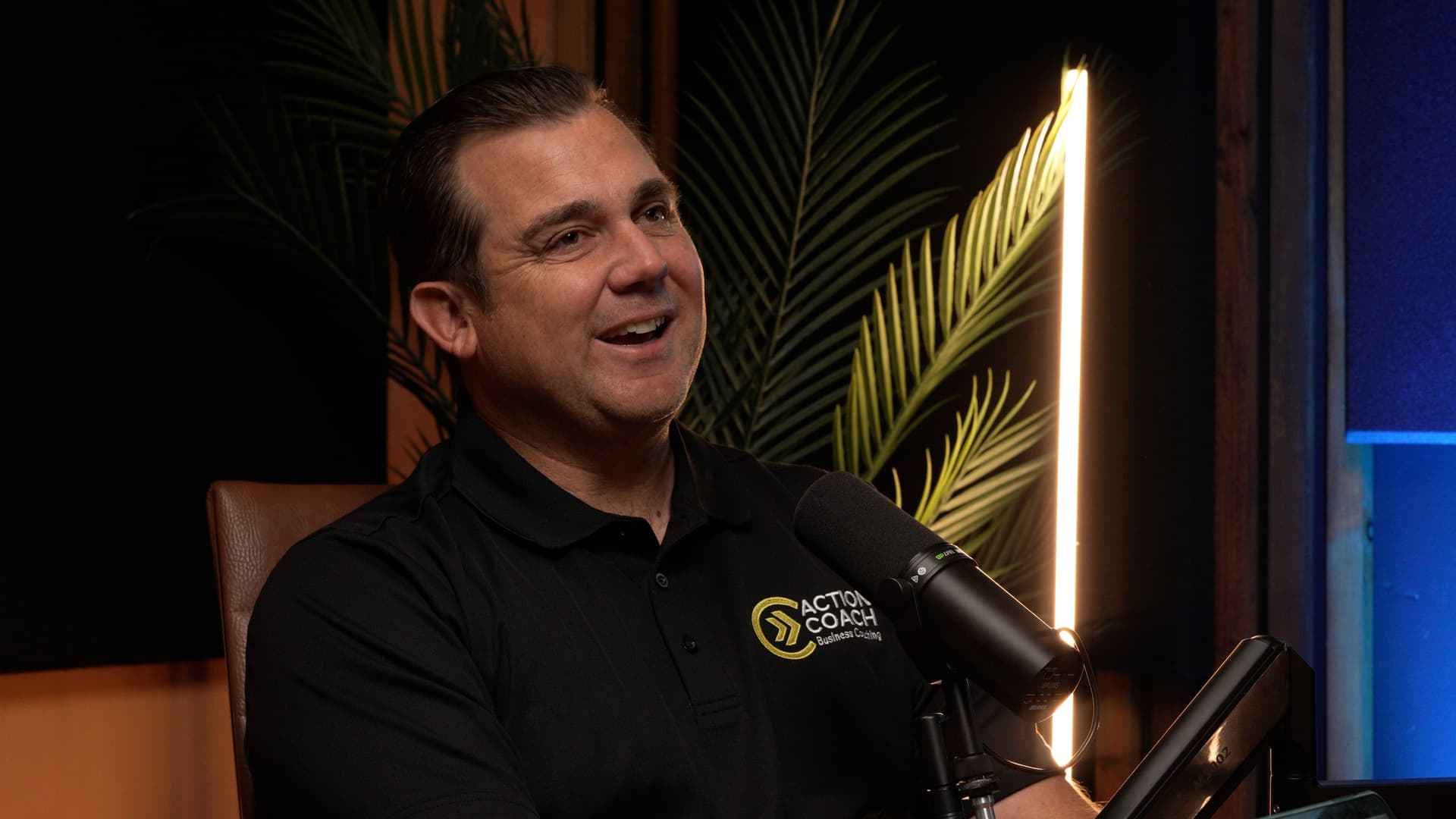
In this episode of The Personal Side of Business, Jet Bunditwong sits down with business coach and former entrepreneur Jonathan Ghiloni to break down why so many small businesses struggle—and what it actually takes to build one that scales, runs efficiently, and eventually operates without the owner.
After spending 20 years building and selling his construction company, Jonathan shares real-world insights on systems, leadership, and the mindset shift required to move from being overwhelmed in your business to becoming a true business owner.
Summary
Jonathan Ghiloni’s journey started like many entrepreneurs—skilled in his craft but learning business the hard way. After launching and running a granite and tile company for two decades, he experienced firsthand the challenges of hiring, managing cash flow, handling customer issues, and trying to grow while wearing every hat in the business.
Everything changed when he began working with a business coach. That shift helped him implement systems, track key numbers, and build a team structure that allowed his company to grow from a small crew to a multi-location operation with leadership in place.
In this conversation, Jonathan emphasizes that most business owners don’t fail because they lack skill—they fail because they lack systems. Many stay stuck working in their business instead of on it, constantly chasing new customers while ignoring the power of their existing client base.
He also challenges the popular “hustle culture” mindset, explaining that working longer hours doesn’t necessarily lead to better results. Instead, he advocates for intentional planning, clear metrics, and building a business that can function independently. From tracking leads and conversions to increasing customer lifetime value and preparing a business for sale, Jonathan lays out a practical roadmap for entrepreneurs who want to scale sustainably—and reclaim their time in the process.
Key Takeaways
- Most small businesses fail due to a lack of systems—not a lack of skill
- Working in your business vs. on your business is a critical difference
- Tracking numbers (leads, conversions, sales) is the foundation of growth
- Hiring without structure leads to inefficiency and higher costs
- Existing customers are your most valuable and easiest source of revenue
- Hustle culture can actually slow down long-term business success
- A scalable business is one that can operate without the owner
- Profit—not busyness—is the true measure of success
- Preparing your business for sale starts years in advance
FAQ
Why do most small businesses fail?
Most small businesses fail because they lack clear systems, processes, and data tracking. Owners often rely on skill and hard work but don’t build a structure that allows the business to scale.
What does it mean to work “on” your business instead of “in” it?
Working in your business means doing day-to-day tasks. Working on your business means focusing on strategy, systems, growth, and long-term planning.
How can I scale my business without burning out?
Scaling requires systems, delegation, and tracking performance metrics. Without these, growth leads to overwhelm instead of efficiency.
What are the most important numbers to track in a business?
Key metrics include leads, conversion rates, number of transactions, average sale value, and profit margins.
Why are existing customers so important?
Existing customers already trust you, making them more likely to buy again, refer others, and become long-term advocates for your business.
How do I know if my business is ready to sell?
A business is more attractive to buyers when it is profitable, systemized, and can operate without the owner being heavily involved.
Guest Bio
Jonathan Ghiloni is a business coach and former entrepreneur who spent over 20 years building and scaling a successful construction company before selling it. Now part of the ActionCOACH team, he helps business owners implement systems, improve profitability, and create businesses that can operate independently of them. His coaching focuses on real-world experience, practical strategies, and helping entrepreneurs achieve both financial success and personal freedom.
If this episode resonated with you, share it with a fellow entrepreneur who’s feeling stuck or overwhelmed in their business.
And if you're ready to take control of your business instead of letting it control you, start implementing just one system from this episode today.
▶️ Click to Read Full Episode Transcript
Full Episode Transcript
Jet Bunditwong: Welcome to the Personal Side of Business.
Jet Bunditwong: Hi, and welcome to the Personal Side of Business where every business has a story. I'm your host, Jet Bunditwong, and today my guest is Jonathan Ghiloni. We're going to talk about good business habits, scaling, and becoming a leader in your business space. Welcome to the podcast, Jonathan.
Jonathan Ghiloni: Thank you, Jet. It's great to be here.
Jet Bunditwong: Thank you for coming. So, tell me, how did you get here?
Jonathan Ghiloni: I’ve always loved business and knew I wanted to work for myself. I went to business school at Point Loma Nazarene here in San Diego. After graduating, I started a business in the construction space—granite countertops, fabrication, installation, and tile work. I ran that business for about 20 years before selling it.
Jonathan Ghiloni: Recently, I moved into coaching because I love helping business owners. I’ve lived through payroll, staffing issues, customer problems—real business experiences—and now I bring that to help others grow.
Jet Bunditwong: Did what you learned in business school apply when you started?
Jonathan Ghiloni: Some of it helped, but real business changes constantly. What worked years ago isn’t always relevant today. Now, business owners need to prove expertise in real-time—through content, conversations, and presence.
Jet Bunditwong: Did you have mentorship early on?
Jonathan Ghiloni: Not much early on, but about 10 years in, I met a business coach who changed everything. We implemented systems, tracked numbers, and built a team. We grew from 6 people to 22, added locations, and eventually sold the business.
Jet Bunditwong: If you could go back, what would you change?
Jonathan Ghiloni: I would set up systems and track numbers from day one. Many skilled professionals start businesses but forget they’re now running a business—not just doing the work. A business should operate without you.
Jet Bunditwong: That’s something I see a lot—people are great at their craft but struggle with running the business side.
Jonathan Ghiloni: Exactly. And even great people need systems. Look at fast food chains—systems allow consistency and scalability.
Jet Bunditwong: What happens once systems are in place?
Jonathan Ghiloni: Freedom. Time freedom, flexibility, and the ability to focus on what matters. One client’s goal was just to be home for dinner every night—that’s a huge win.
Jet Bunditwong: Do you see a lot of business owners stuck in hustle mode?
Jonathan Ghiloni: All the time. Hustle culture is overrated. You don’t need to grind nonstop. You need a plan—daily, weekly, quarterly—and execute with purpose.
Jet Bunditwong: What’s the biggest hurdle for business owners?
Jonathan Ghiloni: Working in the business instead of on it. Busyness isn’t success—profitability is.
Jet Bunditwong: Let’s talk systems. Where should someone start?
Jonathan Ghiloni: Track your numbers. Leads, conversions, sales, average transaction, and profit. Without that, you’re flying blind.
Jet Bunditwong: And existing customers?
Jonathan Ghiloni: They’re your biggest opportunity. Stay in touch, offer more value, and turn them into raving fans. Referrals and repeat business are key.
Jet Bunditwong: That’s something I always tell people—new customers are expensive, but existing ones are gold.
Jonathan Ghiloni: Exactly. Build relationships and keep delivering value.
Jet Bunditwong: What about hiring challenges?
Jonathan Ghiloni: Hire based on structure and need, not convenience. Define roles clearly, build systems, and align personalities. Culture matters.
Jet Bunditwong: Sounds like all of this builds leadership too.
Jonathan Ghiloni: Absolutely. These skills translate everywhere—business, family, community. And once you build and scale one business, you can do it again.
Jet Bunditwong: Where can people find you?
Jonathan Ghiloni: You can reach me at 619-679-7709, on Instagram @coachjonathanghiloni, or LinkedIn. We also offer Growth Club, a 90-day planning session to help business owners stay on track.
Jet Bunditwong: Thank you so much for being on the podcast.
Jonathan Ghiloni: Thank you, Jet. I appreciate it.
Jet Bunditwong: The Personal Side of Business.