
From Passion to Private Chef | Sarah Dolgen’s Journey in San Diego’s Food Scene
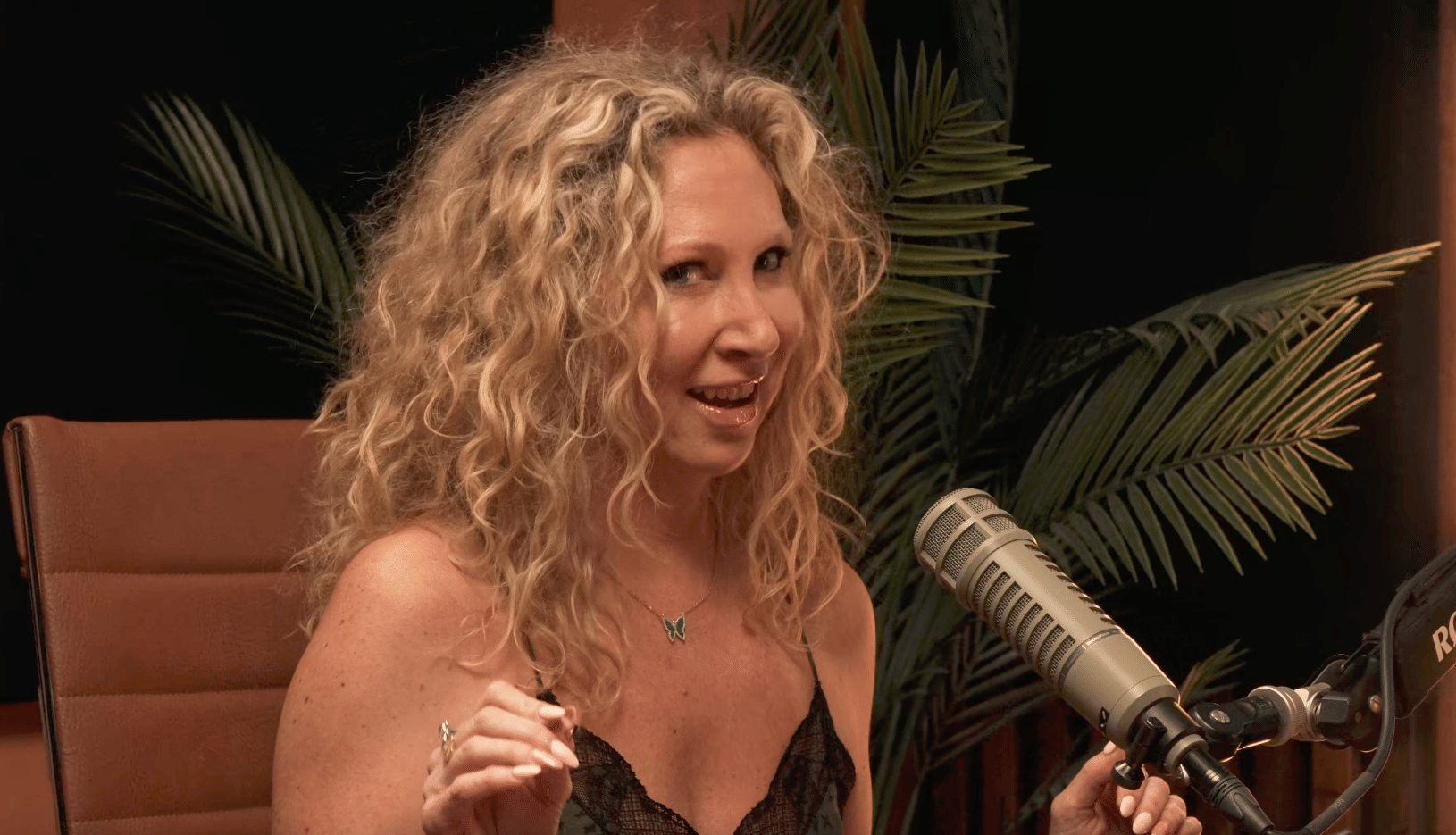
Meet Sarah Dolgen, a private chef in San Diego, and learn how she built her brand, found her niche, and turned her passion for food into a business.
Episode Overview
In this episode of The Personal Side of Business, Jet Bunditwong talks with Sarah Dolgen, founder of Cooking with Love, a culinary business built around meal prep, catering, food delivery, and personal chef services. Sarah shares how her business was born out of a deeply personal season of life during divorce, motherhood, and the COVID lockdowns, and how she turned her natural gift for cooking into a business that serves people in a meaningful way.
This conversation explores Sarah’s entrepreneurial background, her freestyle approach to cooking, the importance of making healthy food taste amazing, and how food can become an act of care, connection, and healing. It is also a story about resilience, intuition, and building a business that supports both family life and purpose.
Summary
Sarah Dolgen describes herself as someone with a lifelong entrepreneurial spirit. Before launching Cooking with Love, she had already started multiple businesses, but this one emerged in a particularly challenging chapter of her life. During COVID lockdowns, while navigating divorce and raising young children, Sarah found herself constantly helping friends who were overwhelmed by cooking, food allergies, and meal planning for their families. That repeated need sparked an idea: what if she turned the support she was already giving into a real business?
What began as virtual pantry coaching and meal guidance during lockdown evolved into an in-person culinary business once restrictions eased. Sarah started cooking for families, offering weekly food delivery, meal prep, catering, and personal chef services. One of her earliest long-term clients still works with her today and even flies her to different homes around the country to prepare meals in advance.
A major part of Sarah’s story is that she does not rely on strict recipes. She cooks by instinct, taste, memory, and feeling. She describes cooking as her art form, and that creativity shows up in the way she blends flavors, explores cultural inspirations, and adapts meals to fit specific dietary needs. Her style is rooted in healthy cooking, but with a strong belief that healthy food should still be flavorful, exciting, and comforting.
Sarah also talks about the highly personal side of her work. She cooks for families with allergies, sensitivities, strong preferences, and medical needs. In some cases, she has prepared food for people undergoing chemotherapy or dealing with kidney failure, carefully researching what foods are supportive while still making meals enjoyable for the whole family. Her work is not just about convenience. It is about nourishment, relief, and helping people feel cared for during difficult times.
As the conversation continues, Sarah reflects on lessons from entrepreneurship. She shares how much belief in herself mattered when building this fourth business, especially during uncertain early stages. She also emphasizes the importance of boundaries, pricing confidence, and asking for what you need. For Sarah, success has meant creating a business that fits around motherhood instead of forcing her to choose between work and family.
Topics Covered in This Episode
- Starting a personal chef business
- Turning a passion for cooking into entrepreneurship
- Healthy cooking and food customization for clients
- Meal prep, catering, and private chef services
- Cooking for clients with allergies and dietary restrictions
- Building a business during COVID
- Balancing entrepreneurship and motherhood
- Learning confidence and pricing in business
Key Takeaways
1. Great businesses can begin in hard seasons
Cooking with Love was built during one of the most difficult periods of Sarah’s life. What could have remained a painful chapter became the beginning of a purpose-driven business.
2. Food is more than food
For Sarah, cooking is not just about taste. It is about health, care, family, creativity, and helping people feel supported from the inside out.
3. Personalization matters
Sarah’s work stands out because she takes the time to understand people’s allergies, sensitivities, spice preferences, and lifestyle needs before she cooks for them.
4. Creativity can be your competitive edge
Sarah does not depend on rigid recipes. Her intuitive, freestyle approach to cooking has become one of the defining parts of her brand.
5. Ask for what you need
One of Sarah’s clearest business lessons is that entrepreneurs need to be confident in their value, their pricing, and the boundaries required to protect their work and support their families.
FAQ
Who is Sarah Dolgen?
Sarah Dolgen is the founder of Cooking with Love, a business offering meal prep, catering, food delivery, and personal chef services. She is an entrepreneur with a strong passion for healthy, flavorful cooking and highly personalized food experiences.
What is Cooking with Love?
Cooking with Love is Sarah’s culinary business focused on preparing food that is healthy, customized, and deeply personal. Her services include weekly meal prep, special dinners, catering, and support for people with food allergies or medical dietary needs.
What makes Sarah’s cooking style unique?
Sarah cooks primarily by intuition rather than strict recipes. She describes her method as cooking with feeling, drawing inspiration from travel, entertaining, culture, and years of learning how to make healthy food taste good.
Does Sarah work with special diets and health conditions?
Yes. Sarah works with clients who have allergies, celiac disease, vegan preferences, and even more specific health-related needs such as chemotherapy recovery and kidney-related dietary restrictions.
What business advice does Sarah share in this episode?
Sarah encourages entrepreneurs to believe in themselves early, learn from mistakes without getting stuck in them, hold strong boundaries, and ask clearly for what they need.
Guest Bio
Sarah Dolgen is the founder of Cooking with Love, a culinary business centered around meal prep, catering, personal chef services, and custom food delivery. A lifelong entrepreneur, Sarah has built multiple businesses over the years, but Cooking with Love became her most personal venture — one rooted in creativity, service, motherhood, and the healing power of food.
Known for her freestyle cooking style and passion for healthy yet delicious meals, Sarah serves a wide range of clients, including families with allergies, busy professionals, people seeking elevated dinner experiences, and individuals navigating health challenges. Her mission is simple but powerful: to make food that truly loves people from the inside out.
Want more conversations like this one?
Follow The Personal Side of Business for more stories from entrepreneurs, creators, and professionals who are building meaningful work through real-life experiences, resilience, and heart.
To learn more about guests like Sarah Dolgen and discover more episode recaps, visit personalsideofbusiness.com.
Click here to expand the full episode transcript with Sarah Dolgen
Full Episode Transcript: Sarah Dolgen on Cooking with Love, Healthy Food, and Building a Business Around Motherhood
Jet Bunditwong: Hi, and welcome to The Personal Side of Business, where every business has a story. I’m Jet Bunditwong. And today I’d like to welcome the culinary queen, Sarah Dolgen. Her business, Cooking with Love, offers meal prep, catering, food delivery, and you can even have her as your personal chef. Welcome to the podcast, Sarah.
Sarah Dolgen: Thank you. I’m so excited to be here.
Jet Bunditwong: And thank you for coming. So tell us, how did we get here?
Sarah Dolgen: How did we get here? How did I get to be Cooking with Love? It was very organic. I definitely have an entrepreneurial spirit. I started my first business in college at NYU, and then this is my fourth business.
Sarah Dolgen: I took some time off of working to be a full-time stay-at-home mom for my little people. And then when I was going through a divorce, I was also in COVID lockdown. It was just a nightmare, if you can imagine. It was a fun couple of years. But anyway, I was trying to figure out what to do for work because I needed to go back to work at that time.
Jet Bunditwong: It was a fun year for you.
Sarah Dolgen: At the time, I had a lot of girlfriends who were working moms and who typically would order in or had meal delivery services or things like that. And people were texting me day and night like, “Oh my God, okay, we’re all at home and I’m cooking for five people and I don’t know what to do, and I have one kid with a nut allergy and another kid with celiac.” And I was just fielding these texts and calls all day, all the time, on top of everything that was going on.
Sarah Dolgen: And I was also trying to figure out what am I going to do? I mean, I’m home, I have my two kids who were really little at the time and were stuck at home, and I need to figure this out, and I don’t know how I’m going to do all of this. And then I just kind of had an epiphany one day and I was like, I should charge for this. This is a lot.
Jet Bunditwong: You were serving our food.
Sarah Dolgen: I wasn’t serving food. I was serving information at the time. Just, you know, this is what you can make and this is what you can do. But one of the things that I’ve always done for years, before Instagram even, on Facebook and stuff, is I love to entertain and I love to cook. It’s literally like my love language. And I would always take pictures of the spread and post it and talk about what we were doing and things like that.
Sarah Dolgen: I’ve always been doing that. And over the years, people have been like, you should teach cooking classes, or people come over and eat my food and just be like, “Oh my God, what is the recipe?” And I always say this because it is true: I don’t use recipes. I cook with feeling.
Jet Bunditwong: You’re the Eric Clapton of the cooking group. You just go off of a feeling.
Sarah Dolgen: Just feeling only. And I’m not a baker, because that’s a recipe thing. That’s not really my forte. I can do it, but it’s not my thing. And I said, well, I don’t know if I could do that, because I don’t use recipes. And so at this point, I was like, wait a minute. I don’t need recipes. I’m just giving people advice on things. I have all these tricks.
Sarah Dolgen: And also, my ex-husband had celiac disease. So I had sort of become, for years, a self-taught gluten-free cook. So I had a lot of tricks. And my brother was dairy-free, and if we had a family Thanksgiving, it would be dairy-free, gluten-free. I’m allergic to onions, which sucks. It’s not a fun one, I can tell you. I hope I grow out of it someday. I’m 45. We’ll see what happens.
Sarah Dolgen: And so it was like, this free, that free. And I’ve just figured it out, and it was always really yummy, and everyone was like, how did you make that like that? It’s just my passion. So I decided in that moment to make what I love to do my job. And I formed a company and went through that process, which I’ve done before.
Sarah Dolgen: And at the time during COVID, I was just doing FaceTimes with people and I would go into your pantry and I would help you organize things and give you ideas. Or I would write menu ideas for you and things like that based on your needs. And then once things calmed down and we got back to normal, I was able to go and actually cook for people.
Sarah Dolgen: And there was a family that hired me to cook for them full-time, which is kind of where I started doing the food delivery weekly thing. And I still work for them all these years later, and I love them. They’re an amazing family, and they have multiple homes across the United States. And now they will fly me to their home that they’re going to go stay at, and I will cook and freeze food for them before they get there so that they’re still eating my food wherever they go, which has been great. That’s just one of the things that I do. But that was sort of the beginning of it.
Jet Bunditwong: So when you’re not going off of recipes, is there a baseline of style of cooking that you like to start off with?
Sarah Dolgen: Yeah. Well, healthy cooking. That’s my thing. I believe that you can eat healthy, but it can also taste good. And I think that’s a misnomer that a lot of people feel like, oh, it’s going to be healthy, it’s going to be yucky or bland. I love spices, and I’m into all kinds of spices. Often, I have to find my spices online and things you can’t find in the store.
Sarah Dolgen: I love Moroccan and Israeli, Mediterranean, even Indian and African food too. I mean, I’m all over the place. Italian for sure, that’s easy though.
Jet Bunditwong: Now, how are you learning these sort of freestyle recipes? Do you taste it and you start to dissect the ingredients, or do you read it from a recipe book first and then just start, okay, now I’m going to make it my own?
Sarah Dolgen: I think it’s a combination of a lot of things. Part of it is places that I’ve traveled to where I was super inspired by the food and wanting to come home and try to figure it out myself. Like when I went to Israel for the first time—well, the only time I’ve been there actually—but I went all around Israel and I was just like, this is hummus. I’ve never had hummus in my life and I’m going to figure out how to make it.
Sarah Dolgen: And I made hummus every week to try to perfect it, and I think I got it. But now I make all different kinds of hummus. And that’s kind of one of the fun things to do with that, because you can make carrot hummus and lemon hummus and all sorts of things. So I think being inspired by living in other places matters.
Sarah Dolgen: I’ve been to Italy a lot. And I’ve been to Spain. And I lived in Paris for a while. I don’t necessarily do French cooking because it’s not always the healthiest. But I do think that I was inspired by the way that they present food there and the way that they enjoy food there. Very similar to Italy. It’s an experience.
Sarah Dolgen: I mean, when you go to a restaurant here, unless it’s super high end and the portions are tiny, if you go to just a normal restaurant, I feel like in the United States anywhere, the portions are huge.
Jet Bunditwong: It’s not really about the food, not the camaraderie experience.
Sarah Dolgen: And so, I mean, for me, food is a way to bring people together. When my children are with me, because they split time with their dad, when they’re with me, we sit at the table and we talk and we don’t have devices and all that. I would say 98% of the time. And we set the table, we do the whole thing. I like to have candles lit and all of that and just have it be a bonding experience.
Sarah Dolgen: And then we can talk about the food, and we can see what everybody likes and doesn’t like. And then I make mental notes for next time. I just love doing that. That’s why I love entertaining. I like to bring people over. I do wine and cheese nights. I’ve been doing that since college. It’s kind of one of my things that I do.
Sarah Dolgen: And a couple of my friends once in a while will just be like, hey, you haven’t had a wine and cheese night in a while. When are we doing that? And I love to do the cheese board, to make it look pretty and do interesting combinations with things. And just trial and error, I think, is the way I cook.
Sarah Dolgen: But once I get into something—for example, I make shakshuka, which is an Israeli dish. It’s become more popular now in restaurants for breakfast dishes. That was again something when I was in Israel I fell in love with, and I came home and I was like, I’m going to make shakshuka. And now I make Mexican shakshuka and this kind of shakshuka.
Jet Bunditwong: I was just going to ask you if over time, because you’re not sticking to quote-unquote recipes, if there’s a fusion that starts to happen.
Sarah Dolgen: I love fusion. I think that is so much fun. I find cooking to be just such a creative process. I think it’s like my art form. And I do really enjoy doing fusions. I’ve done some interesting ones and you just kind of think, let’s try this.
Jet Bunditwong: What’s the most interesting combination that you think you’ve made? There’s something too where we’re like so far away from each other. You’re like, no one would have ever—no one’s going to build a restaurant off of this.
Sarah Dolgen: Yeah, probably. I think there was one dinner where I did a Moroccan-Indian fusion night. That was actually delicious. Everybody loved it. It worked. I think when you’re working with certain kinds of spices, like curries and ginger and things like that, you can kind of get a little creative in that space.
Jet Bunditwong: But is fusion really—does it really work when one side of it is a little bit stronger than the other side and the other side kind of just blends in with it? Or should both of them be a strong taste?
Sarah Dolgen: I think it just depends what you’re making, because I’ve done it both ways. I think it just kind of depends. I’m trying to remember exactly what I made, and I can’t remember it, but when I did the Indian-Moroccan, those are some strong spices on both sides. But there are some crossover spices.
Jet Bunditwong: I feel like they’re like cousins.
Sarah Dolgen: And so that was an easy one to have work. I think everything was equally strong and it worked. Yeah, I’m trying to think of other ones that I’ve done.
Jet Bunditwong: Okay, now I’m sure it’s not just about the cooking, private chef experience for people, but you also do meal prep and kind of do catering as well. What are some advantages for someone that has never even thought about getting meal prep for them? Because I think you and I talked about it one time, it can really help them if they’re allergic to certain things.
Sarah Dolgen: Yeah, I mean, I’m allergic, like I said, to onions. It’s really challenging for me to eat out. It doesn’t always work out. Even at places who care about allergies, it doesn’t always work out because it’s the whole onion family, and that’s very challenging for a chef in the kitchen at a restaurant, which I totally respect and understand. And I sometimes get “onioned,” as I call it.
Sarah Dolgen: I think that if you have a food allergy and it’s challenging to eat out, and there’s always a nervousness about it, even if you go to a place that says we’re allergy-sensitive and all that, you’re still a little bit nervous about it. And so if you hire somebody to cook for you, you don’t have to even worry about it. It’s taken care of. There will be no problems. And I think that’s a benefit, especially if you have an allergy or a sensitivity or honestly even just some preferences.
Sarah Dolgen: So I have clients who don’t have allergies, but they have very strong preferences of things that they just do not like and don’t want to have. So each of my clients has—when I first start working with somebody—I have about a probably 20- to 30-minute phone call with them. And I ask them a gazillion questions. And I take copious notes. And then that’s their file.
Sarah Dolgen: And I ask them questions that they’re like, no one would have ever even thought about that. But I’m talking about spice level, specific spices, vegetables that you like, don’t like, all these different things, the way that you like certain things cooked. It’s a very detailed one-time phone call. Don’t worry, it doesn’t happen more than one time. But it really helps me navigate making that person happy or that family happy.
Sarah Dolgen: And sometimes, and often, when I cook for families or multiple people, even for a catering event, which I do all the time, I do dinner parties all the time for people. I have a couple of clients that hire me all the time.
Jet Bunditwong: You’re taking everyone’s preferences?
Sarah Dolgen: What I’m doing is, okay, we have one person who’s vegan, we have one person who’s celiac, eight people are coming for dinner, we don’t like this and this and this—and I’ve got it all and it’s handled. And then they don’t have to worry, because that’s a lot to manage. Not for me though. That’s easy for me.
Jet Bunditwong: Now do you start to go into different types of dinners in that situation? Or it could be mostly the same dinner and the person who, let’s say, is vegan doesn’t get certain items?
Sarah Dolgen: No, everyone’s taken care of. So in that scenario, everything is safe for all people. Let’s say there’s one person that’s vegan, but the person hiring me for the dinner wants salmon. Then there will be a vegan dish. There’ll be a vegan protein for the person who’s vegan, and it will go with the rest of it. And then they can all have some too. So everyone’s taken care of.
Sarah Dolgen: But I mean, I did an Airbnb weekend for a client for a 60th birthday and it was 20 people. In Carlsbad they rented two Airbnbs on the water. It was just gorgeous. And I was the private chef for the weekend, and every meal had a theme. I also kind of curated the weekend food-wise. And I made goodie bags for everybody. I organized the fridges and pantries being stocked. Everybody gave what they wanted in an email for breakfast. And then I came in and did all the meals.
Sarah Dolgen: I have a wonderful guy that I work with that is an incredible bartender and has a great staff. They came in and did a tequila tasting experience one night at sunset. And then I had a whole Mexican make-your-own taco buffet. Within that 20-person group, there were multiple different food allergies and things, and some vegan people and vegetarian people and also not. So I just presented it in a way that I could tell those people—and I was there with them, I mean, it was very intimate, we were together all weekend—I could tell those people, you can’t have that, this is the one thing you can’t have, but you can have everything else, or whatever. Which I find really fun. I don’t find it that challenging. I just find it kind of fun. It’s like a fun challenge.
Jet Bunditwong: And I’m assuming those people at the end of the weekend or the experience end up really appreciating that, right? Even though you love doing that, that’s still a lot of work. What has been the biggest challenge that you’ve ever had in terms of making a dish for someone’s preference? Is there any meat or something they really couldn’t have but it was part of the main part of the meal?
Sarah Dolgen: You know, actually, what I’ll tell you is the first time I did it, it was a challenge. It’s not anymore. But one of the other things that I’m actually doing—I just did it this week—I’ve been hired to bring food to women, or people, so far it’s been women, who are going through chemo post having a breast cancer situation and having chemotherapy.
Sarah Dolgen: When you are going through something like that, first of all, your appetite is bad, right? But also, you really need to eat an anti-inflammatory diet. And you really shouldn’t have a lot of certain things. So the first time I did it, which was for a dear friend of mine, I researched the you-know-what out of it and I just figured out how to do it.
Sarah Dolgen: So that was a challenge, but I wanted to make sure that she had what she could palate at the time and what she could handle. And then she had, I guess still, two teenage kids that needed to be fed. So it was food for her and then food for them separate. Food for them was easy. Food for her was a challenge that one time that I first did it. And then I’ve since done that several times, and now I’ve got it. I know exactly what to do.
Sarah Dolgen: I am also this week catering—I’ve been hired to deliver food for somebody who’s having renal failure and had a kidney failure issue. That is very specific, and that’s a whole specific set of foods that that person cannot have, but there’s also a specific set of foods that are recommended. So I researched that, and so on Friday I’ll be delivering food for that family, and the food will be catered towards the person who is having the problem, but it’s all going to taste good and be yummy for everybody, and they can have it together.
Jet Bunditwong: I mean, that’s amazing because I’m going to guess that there’s a lot of people with ailments or illnesses that aren’t even aware that they should be eating a certain way. And if they were to come to someone who was meal prepping for them, you’d be like, this is what’s happening to me. And then you’re doing the research where they’re just eating whatever they eat.
Sarah Dolgen: Right. And I think one of the things that I always say—I think it’s on my Instagram and my website and stuff—is that I make food that loves you from the inside out. And I think it’s really something that a lot of people don’t really understand, how important what we put into our body is.
Sarah Dolgen: I mean, I’m lucky, I’m really healthy. But I also, over the years, I’ve learned my body doesn’t respond very well to certain types of things. I’m just really in tune with that, but not when I was younger, not for a while. I was a vegetarian when I was younger for a while and I used to eat so much soy product and I would always have a stomach ache after I ate and I was like, what is going on?
Sarah Dolgen: Well, eventually I figured out when I don’t eat soy, I don’t have that. So my body just doesn’t process soy well, and I don’t eat soy. I will not have tofu anymore. I lived on it for years and I was just like, I guess every time I eat, I don’t feel good. That sucks.
Jet Bunditwong: And it’s interesting because I think we kind of forget that. And I think with social media and things online, you see people that are like, that guy looks like that, or that woman looks like that, I’m going to eat whatever they’re telling me. And we’re so individualized. Let’s explore this.
Sarah Dolgen: So many thoughts on that. I have a really good friend from growing up in Tucson, Arizona. Her name is Megan. Hi, Megan. And she is a nutritionist. And she’s a million different things that would take too long to list. And we’ve kind of gone back and forth a little bit about this on Instagram, because she talks about this. And I am constantly feeling this way.
Sarah Dolgen: There’s a lot of influencers out there right now, specifically I would say young girls who are really thin and young and pretty and cute and very healthy-looking. And they’re talking about what you should eat and what you should do and the supplements you should take, which they’re being paid to promote, of course. A lot of them are just literally actresses or actors. And everyone is just glued to their phones.
Sarah Dolgen: And a lot of people are trying to figure out, how can I be more fit? How can I lose weight? Of course there’s the whole Ozempic side thing going on. There’s that. But then you have this whole other side of it, which is like, for people who don’t want to do that, this is how you can do it naturally. And there’s a ton of supplements being pushed. So many. I see it all the time on my feed. I mean, it’s wild.
Sarah Dolgen: And it’s all kind of the same vibe. It’s the girl in her workout clothes and she looks really fit and she’s cut and she’s like, if you just do this every day. But that might work for some people, but it’s not a one-size-fits-all. And I think the more that you can learn about how—and pay attention to—when I eat this, I have more energy, I feel good.
Sarah Dolgen: I have learned about myself, which is funny because I was vegetarian for a long time: I need to eat red meat. I just do. And I eat red meat and I feel much better. And I feel better on lots of levels. Something in my body just works better that way. That’s not for everybody, but that’s something I’ve learned over the years. And that was trial and error.
Sarah Dolgen: But I think if you can kind of pay attention to what you’re eating and how that makes you feel. For example, I’m super sensitive to sugar. I don’t really like sugary things. I don’t like sweets. I don’t like chocolate. I’m weird. My mom is always like, how are you from my body? So strange.
Jet Bunditwong: I feel like there’s a certain level of chocolate I would go to, like milk chocolate, and then after that, when it starts to get a little bit too cocoa-y.
Sarah Dolgen: Like the hearty chocolate. Yeah, like this is good chocolate. And I’m not saying that there’s anything wrong with chocolate or having a little bit of chocolate here and there is fine. But I know that if I eat something, if I share dessert with somebody, which I normally wouldn’t do, then I know that the next day I will not feel good. And I don’t want to not feel good. So I just sort of usually don’t.
Jet Bunditwong: And that’s a tough part because I’ve been going through this experience too for the past like six or seven years, and now I’m 46, and I’m like, it took this long, right? But to really focus on it. And the reason why that actually happened was a few years ago, I wanted to see what was the best physical shape I can get into. So I started notating things on an app where I can see what I’m missing in nutrients and things like that.
Jet Bunditwong: And I was like, well, I’m starting to see this commonality of when I eat certain things is when I get bloated, I don’t feel good, there’s inflammation, certain things. But most people don’t go through this, right? People aren’t sitting down and starting to dissect what’s going in their bodies to see what’s working, what’s not working. And that changes, because that chocolate situation is something that’s happening to me now where I do it and get acid reflux, and I’m like, this didn’t happen before.
Sarah Dolgen: Well, getting older is super fun. So there’s that.
Jet Bunditwong: I just didn’t have time in my life at that time to try to figure out how much protein I would need to get from other resources in order to get to where I normally am. I could notice my workouts weren’t the same, I was lethargic. And I wish I had millions of dollars so I could just sit there and go, I’m going to keep practicing this until it works. But for you to come into someone’s life and be able to kind of pick that apart and go, maybe this is something that might work for you, and then you’ve gone through this with your ex and then also with yourself, it might be such a great tool for someone to have that as their guiding light, right? Even if they don’t use you all the time, to be like, once in a while.
Sarah Dolgen: Absolutely. Yeah, I have some clients that say, you know what, we want to do a week or two with you, we just need it. We just have too much going on and we just can’t deal. So we’ll do that. And then I have other clients I deliver food to every single week and all the time.
Sarah Dolgen: And then I do catering events, like I think I mentioned, and I do individual dinners, like a romantic dinner for two, and you can have me literally wait on you and do the whole shebang and clean up and all of it, or I can just bring the food. Like for an engagement, for example, somebody hired me to make a romantic dinner, but I wasn’t there. He served the food that he made. She loved it.
Jet Bunditwong: You’re never going to that level ever again.
Sarah Dolgen: And then somehow it’s never happened to me. Anyway, but that was fun. And she said yes. But you know, something as small as that all the way through to—I just recently did a corporate event for 300 people that was heavy appetizers, and it was a super fun experience. If I do something at that level, I have to bring in other people, which I have and I can. But that was really fun.
Sarah Dolgen: And, you know, a few of my clients have some health issues. And some of them are a little older and it’s just overwhelming and they’re done. A couple of ladies that I cook for and their families, they’re just done cooking. One of my clients is like, I’ve been cooking, I cooked for the kids, I’m older, I’m 80, I’m done, I don’t want to cook anymore. But we want to take care of our health. And when we order in or go out, we know we don’t really know what’s happening.
Sarah Dolgen: And that’s the thing about that. There’s nothing wrong with going out to eat. I love going out to eat. I love exploring new restaurants. It’s one of my favorite things to do. And I do get inspired by other chefs and by other people’s food all the time. And if I go out and I have an amazing dish, I’m like, ooh, I want to see if I can recreate that at home.
Sarah Dolgen: I’m making something this week for somebody that is this corn dish from a restaurant in New York called Miss Lily’s. And it is so specific and it’s so darn good. If I’m in New York, I’ve always tried to go get it, and I’ve worked on it for years to try to recreate it. I think I’ve figured it out now. So I’m making like a Jamaican-style dinner for somebody with that corn. And I did mention when I was talking to the client about where I got the inspiration for this particular thing, because we were going through the menu, and I said, Miss Lily’s. She goes, Miss Lily’s? Oh my God, I’ve been there.
Sarah Dolgen: And I’m like, yeah, pretty—I mean, maybe not 100%, but I’m like 98, 99.
Jet Bunditwong: You’re like a recipe stalker.
Sarah Dolgen: Yeah, but without the recipe. No, but I think it’s like anything creative. You pull inspiration from all different kinds of places. And even as silly as this sounds, I got a spice blend from Spice Way, which is one of my favorite spice companies because they’ve got all the good stuff. And they also have spice mixes that don’t have onions in them, and that for me is a big deal.
Sarah Dolgen: I’m really into these unique spices, but often when you get the combinations, there’s onions in it. But they have a Moroccan spice blend that I just absolutely love and I use all the time when I make tagines and things like that. But from just reading that Spice Way combination, I thought, wow, what could I make if I took that spice, that spice, and that one and just separated that out? So I don’t know. I’m weird. But I love this work.
Jet Bunditwong: Great. I think my question to you is what happens when—I don’t know if this is something you look down the path—but if you want to extend your business where it’s not just you cooking, right? You have a team of people and there’s multiple things going on. Have you ever thought about that?
Sarah Dolgen: I mean, I don’t know. I feel like I’m just really fortunate to have figured out how to love what I do and specifically to curate a work life around my most important job, which is being a mom. The work that I do, I do around my schedule with my kids, and I can work while I have my kids with me on the time that they’re with me.
Sarah Dolgen: So for example, we’re on summer break right now and my kids are not in camp until July, and they have been home with me, and I have had more catering events in the last three weeks all together on top of my normal delivery stuff and then a bunch of last-minute extras, and we’re having a blast together. Like today they were with me dropping off food to people, and we just have had so much fun. We’re together and it works.
Sarah Dolgen: I just feel very fortunate to have figured this out. Where it goes, I’m totally open and I just say, universe, bring it. I don’t know. Whatever. I’m open.
Jet Bunditwong: Now the other businesses that you had prior, did you have that flexibility as well?
Sarah Dolgen: The other businesses that I had—I was not a mom, so it was different. My first business in college, I worked from home and I did something that’s so funny because I was doing this, oh my God, I think it was 2001 maybe. Yeah, 2001. It’s electric muscle stimulation, and I learned about it somehow, some way. And so I got all the stuff and people would come and lay on a massage table and I would hook them up to the electric stim and they could literally work out but go right back to work, no sweat.
Sarah Dolgen: And it’s funny because now it’s really hot right now, but there’s—like, I don’t know if you’ve seen people in the suits where they have EMS.
Jet Bunditwong: I do it. I go to Fire Snake. I’m so excited. It’s my favorite 25 minutes of the week almost. It really is. I feel so great after I do it. It’s a game changer.
Sarah Dolgen: But anyway, so I was doing EMS back then. That was my first business. But I was also still in college. So I was going to school, and then I was doing my work hours around going to school. And I was also interning someplace at the same time. So I was doing all sorts of stuff. That was the first one.
Sarah Dolgen: And then I started something similar to that. I also learned how to do a treatment called endermology, which is a French treatment. It’s this huge machine, and you have to be trained to do it and certified. People wear a body suit, and it’s this machine that you roll over someone’s body. You have to know how to maneuver it. But you roll it over someone’s body, and it tightens loose skin, does lymphatic drainage, and gets rid of cellulite.
Sarah Dolgen: So I was certified in that and opened a business in La Jolla where I did endermology. And I also had a jade infrared sauna that people could get into and lay in like a little cocoon and meditate in there with the infrared light after. So you would do the lymphatic drainage, then get in the sauna and sweat it out and just feel like you’re floating when you left. I loved that work. It was the best. And I met so many incredible people also doing that work. It’s very intimate.
Sarah Dolgen: I feel like what I do now is very intimate as well because I really know my clients. I feel like we have—I mean, like I said, if you’re delivering food to someone who’s going through chemotherapy, and one time I was delivering literally to the hospital and the husband was picking the food up from me and he just had tears in his eyes, it was very intimate. So I really do cook with love, and I do feel like it comes through.
Sarah Dolgen: But the other kinds of work, those other things that I did, it felt that way too for me. So I think this is just sort of how I need to be in the world.
Jet Bunditwong: Well, I think it’s even more so because you’re not going off of measurements. You’re going off of your feel. It’s up to you, right? You’re putting in this is what I think it needs to taste like, this is how visually it should look, this is how it makes me feel. So you’re sharing a piece of yourself. It’s not just going off of, here’s a page of recipes or whatever measurements you’ve got to go to.
Sarah Dolgen: I mean, it’s funny because I think the sort of old-timey cooking, if you will, with the Italian grandmas in the kitchen, there’s just a little of this and a little of that. And even my grandma, one of my grandmothers, the one who liked to cook a lot, I don’t think she had a recipe. She just figured it. She was like, this is how I make it. I don’t know. And so I feel like I’m a little bit more aligned with that way of cooking.
Sarah Dolgen: That’s just how it goes. But when somebody loves a dish that I make and they want it again, I always tell everybody up front, if you start working with me, if you love a dish and you want it again, which happens literally all the time, you’re going to have the same dish. It just won’t be 100% exactly the same. It’ll be almost the same. But I try to always make it better.
Jet Bunditwong: Do you have a memory for that? You should. I mean, I’d be curious if you ever make a notation about this throughout your business career. If you were to cook a dish X amount of times, how close does it get? Like if you were to just taste and go, let’s get one to ten. This was the first time, right?
Sarah Dolgen: I don’t know, it’s something I haven’t thought about. I think it’s weird. I make this—I’m just using something as an example—I make this Moroccan chickpea tagine with apricots. And I also make it sometimes with chicken, but when I do it with chicken, I add some slightly different things. But this chickpea tagine is a really popular dish that I make, and I make it for lots of different people.
Sarah Dolgen: And I feel like at this point, I could make it in my sleep, if that makes sense. Because it’s pretty much always the same. But when I’m putting in—there’s a little sweetness in it—when I’m putting a little drizzle of honey, I’m like, yeah, that’s the right amount of drizzle, and then that’s it. More than that would be too sweet. I just know.
Jet Bunditwong: You’re like an athlete with muscle memory.
Sarah Dolgen: Kind of, yeah. Yeah, I like that. I’m an athlete. I’m like the least sporty person on the planet. So let’s do that. Let’s go with that.
Jet Bunditwong: I’ve compared you to Eric Clapton.
Sarah Dolgen: I feel like, can we do this all day? This is so good for my ego.
Jet Bunditwong: These are the metaphors I’m going to put for you. So for people that don’t think that this could be a part of their life or even affordable, right, and you and I just discussed that they’re probably spending X amount of dollars going out to eat, why not have something that’s a little more catered to your needs, your preferences, and maybe an experience for you?
Sarah Dolgen: Right. Well, first of all, the costs of everything have gone up. I think we’re all experiencing that, right? And especially the cost of food has gone up too. I mean, I have a friend who went and took their—it was two moms and two daughters—and they went to Denny’s for breakfast, and she said it was $78 for the four of them. I’m like, Denny’s? Stop. That’s crazy. And that’s Denny’s. And that’s also unhealthy, right? I mean, it’s fun for a treat, but my God.
Sarah Dolgen: So I think if people who are ordering in a lot and going out a lot were to take a hard look at how much they’re spending on those two things to feed themselves and their partner and family or whatever, they would be shocked. Even in one week, just look at it.
Sarah Dolgen: And I will say that I have been told by clients, like, wow, I realize I’m actually saving money having you deliver food. This is crazy. Or having me cater. Let’s say someone was going to—I just did a dinner for six people recently—and that person that hired me was going to get the food from a restaurant. She doesn’t cook. So she was going to get food from a restaurant. She got a couple of quotes. And then she got my quote.
Sarah Dolgen: And then I could tailor it to exactly what she wanted, and also she knew it would be healthy. She knows I’m not going to cook with lard and butter and all this stuff if it’s not necessary. I mean, I have a client where I literally cannot use any oil at all. And people always go, wait, how can you cook without oil at all? I can. It’s totally doable. I do it all the time.
Sarah Dolgen: So there are all different kinds of ways to make sure that the food is healthy. And I think that you’re getting an experience. You’re definitely going to feel better. You’re taking care of your health. And you get to pick how it goes. And if you have allergies, you don’t have to worry literally at all, which is so nice for people who have them.
Jet Bunditwong: Which seems to—and I don’t know if people become more aware of allergies or it’s happening more because of whatever we’re putting in our bodies—but I’m starting to notice that there are a lot of people that I know that are like, now I find out I’m allergic to this. And probably technology too, where we can do tests. And just quickly, as we’re wrapping up, to your business sense, since this is now coming to your fourth business, what is it that you’ve learned going into this fourth business that you wish you could apply to the other businesses before?
Sarah Dolgen: I think a more full-on belief in myself in the beginning, when you’re building and when you’re starting. Because like any business that you start, you have to invest money in it, you have to invest in yourself, which I’ve done all of these times. But this one, I really just believed it’s going to work. And when it was slow to build, specifically because it was during COVID, I was like, nope, it’s going to work. I’m willing it to work. I’m going to believe so hard and just make it happen.
Sarah Dolgen: And I just didn’t doubt it. I was like, no, this is going to work. This is going to be the thing. I’m going to have this life. I effing deserve it. I’m going to do it. And my kids are going to have it with me. I am not going nine to five. They’re not going into daycare. That is not the mom I’m going to be after being a stay-at-home mom. This was—I didn’t think I was going to—no one thinks they’re going to get divorced and that their life is going to go topsy-turvy.
Sarah Dolgen: I was like, when I’m with my kids, they’re going to be with me. And so I just willed it. I think also saying yes to things and not second-guessing. Because I think a lot of us people are hard on ourselves. And if you make a little mistake here, you just beat yourself up. So I’ve really tried to change that. And I think that I just go, okay, that was a learning experience. We’re moving on. Got it. Noted. We’re not doing that again, or we’re not going to handle that again.
Sarah Dolgen: I got stiffed once, pretty hardcore, when I delivered food to somebody, and they literally didn’t pay me. And I was like, whoop, that’s never happening again. So I changed my structure. You have to give me a deposit to cover a certain amount of my work, and that’s just that, even if I know you, even if you’re my friend. And I felt really weird about doing that in the beginning, where this is someone I know’s friend. And I was like, I don’t want to. But then when that happened—I think it happened twice, actually—after that, I was like, okay, no, we’re not doing that anymore.
Jet Bunditwong: Having those systems in place is something that I’ve noticed people who are in the service industry especially start to learn quickly because it happens sooner rather than later. And if you were to give advice to someone that was getting into the culinary world, what would you tell them to do first?
Sarah Dolgen: Well, I think if somebody was trying to get into doing specifically what I do, I would say there’s no friends and family discount because everybody is a friend and family at a certain point. And it’s word of mouth. And if you give everybody a discount because they know you or they know your parent or they know your friend, you won’t make any money. You can’t do it.
Sarah Dolgen: And it’s hard because people expect that often, I think. And sometimes—I mean, I’ve made that mistake before in some of my previous businesses, so I did learn a little bit from that back then. But even now, I’ve been asked for that, and I’m like, I’m really sorry, I just can’t do that, because then everybody would have it, and then I have to feed my kids and pay the bills.
Jet Bunditwong: Especially with the variations of food costs from week to week.
Sarah Dolgen: Yeah, and then the other thing too is that if you’re going into doing something that I’m doing, you have to also understand that your prices might need to change as the world changes, because mine have. I had to raise my hourly rate a little bit, and it wasn’t an easy conversation to have with a couple of people, but I just had to, because everything’s just more money.
Sarah Dolgen: And I’m working from home, so my utility costs, my gas, everything. And then just the cost of food, of course, has gone up. And just being confident enough in your abilities and the fact that people, if they’re hiring you often, they like you. They like your work. It’s going to be okay, especially if it’s not a huge jump. You’ve got to do what you’ve got to do. Everybody respects, I think, that you have to take care of yourself and your family. I mean, you just have to. It’s what we’re all out here trying to do.
Sarah Dolgen: And I think that if you just don’t be afraid to say, this is what I need—and I think that applies to everything—you have to ask for what you need.
Jet Bunditwong: That’s a great way to end this. Ask for what you need. Thank you so much, Sarah, for being a guest here on The Personal Side of Business.
Sarah Dolgen: Thanks for having me. This has been fun.
Related Episodes
Former CIA officer Don Weber shares powerful lessons on leadership, resilience, and building strong foundations in both business and life.
Sara Nicholson explores how creativity, storytelling, and authentic relationships can turn passion into a thriving business.
Natalie Perry shares the story behind Wild Rise Pizza and how passion, quality ingredients, and community helped build a successful food business.