
Cristen Carver: Home Mortgages
Episode Overview
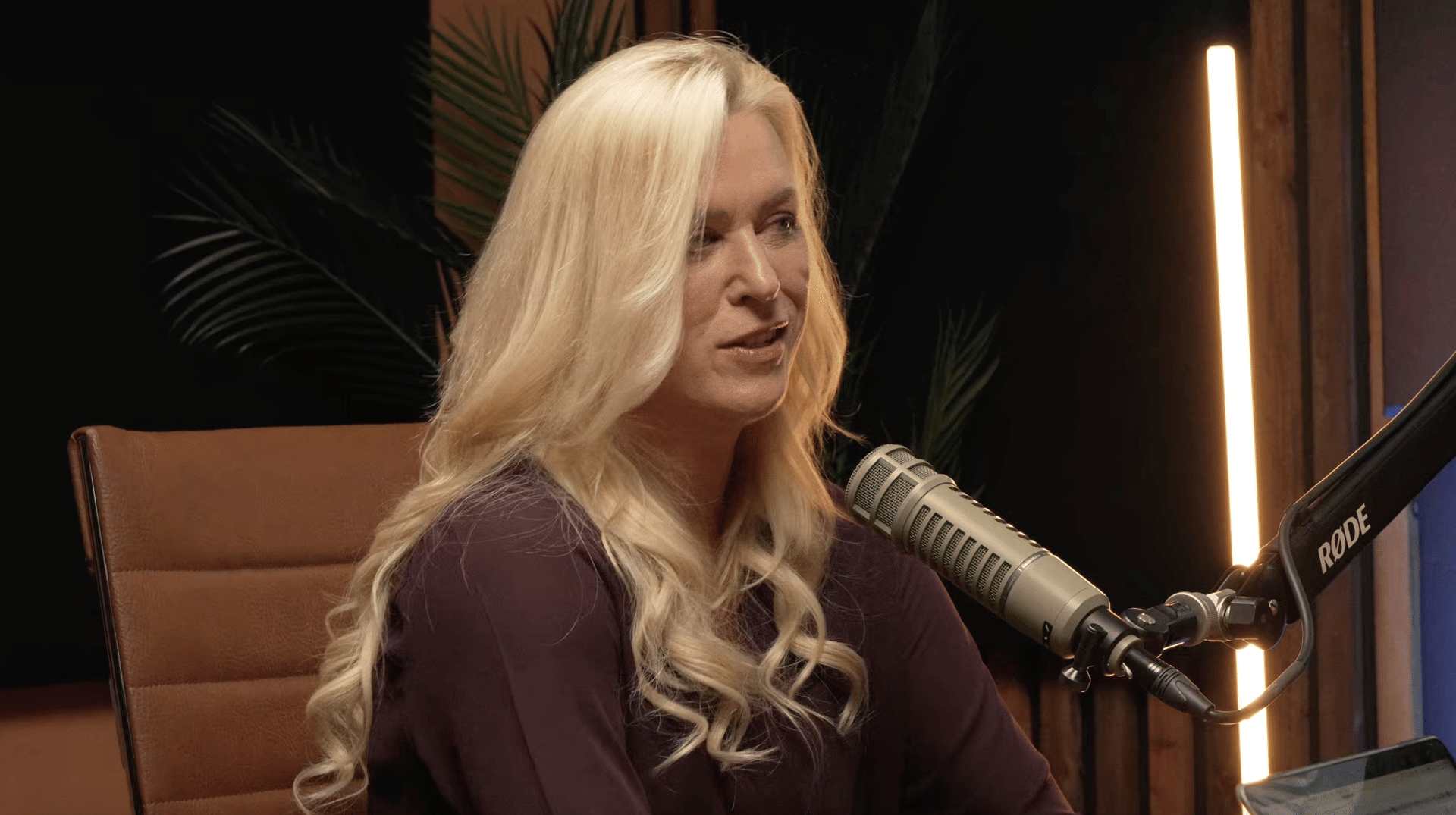
In this episode of The Personal Side of Business, host Jet Bunditwong sits down with Cristen Carver, a mortgage industry veteran with nearly four decades of experience helping people secure home loans across multiple states.
Cristen shares how she transitioned from computer programming into mortgage lending in the 1980s and how the industry has evolved dramatically over the years—from handwritten credit evaluations to modern FICO scoring systems and complex lending regulations.
Together, Jet and Cristen discuss the realities of buying a home today, the importance of honest lending practices, and the strategies that help buyers avoid financial pitfalls in an expensive housing market like Southern California.
Episode Summary
Cristen Carver’s career in mortgage lending began during a time when the industry looked very different than it does today. After earning a degree in computer programming in the mid-1980s, she joined a mortgage company that was transitioning its operations onto computer systems. Her curiosity quickly led her to learn every part of the mortgage process—from processing loans to ordering appraisals and preparing documentation.
Within a few years, Cristen earned her real estate license and entered sales in 1991, beginning a career that would span nearly four decades in the mortgage and real estate industries.
Throughout the conversation, Cristen explains how lending standards have changed significantly since the early days of the industry. Before modern credit scoring systems existed, lenders evaluated borrowers manually, categorizing them based on their financial history. Interest rates were dramatically higher at the time, often exceeding 14%.
Today, while technology has improved the process, Cristen notes that lending systems are still far from perfect. Credit scores and automated systems can sometimes misrepresent a borrower’s financial reliability, especially when debt levels affect credit scores even if payments are made consistently.
A major focus of the discussion is the challenge of homeownership in markets like San Diego, where home prices have risen dramatically. Cristen emphasizes that many buyers become emotionally attached to homes at the top of their budget, often overlooking long-term financial stability.
She stresses that one of the most important roles of a mortgage professional is honest guidance, even when that means telling a client they cannot afford a home they love.
Cristen also discusses how the housing market historically moves in cycles. Every decade or so, the market adjusts after periods of rapid growth. While current interest rates may feel high to some buyers, she explains that they are actually closer to historical averages than many people realize.
For first-time buyers, Cristen highlights several programs that can help people enter the housing market, including government-backed loans such as VA and FHA loans, which tend to offer more flexible qualification standards.
Another major theme of the episode is the importance of relationships and networking in building a long-term career in the mortgage industry. Cristen credits much of her success to strong partnerships with real estate agents and industry professionals.
By maintaining honesty, communication, and reliability, she has built a reputation that keeps clients and partners referring new business.
After nearly 40 years in the industry, Cristen believes the most important qualities for success are integrity, education, and a commitment to solving problems for clients.
Topics Covered in This Episode
Mortgage lending explained
First-time homebuyer strategies
VA and FHA loan programs
Real estate market cycles
Housing affordability in San Diego
How lenders evaluate borrowers
Mortgage industry changes over the past 40 years
Networking and relationship building in real estate
Who This Episode Is For
This episode is especially helpful for:
First-time homebuyers trying to understand mortgage lending
Entrepreneurs interested in real estate investing
Professionals considering a career in the mortgage industry
Homebuyers navigating expensive markets like San Diego
Anyone interested in how the real estate market works
Key Takeaways
The mortgage industry has changed dramatically
Before credit scores existed, lenders evaluated borrowers manually and interest rates were significantly higher than today.
Housing markets move in cycles
Cristen explains that housing markets tend to adjust every decade, balancing out periods of rapid price growth.
Many buyers purchase homes they cannot afford
Emotional decisions and pressure from competitive markets often lead buyers to exceed safe financial limits.
Government loans can make homeownership more accessible
VA and FHA loan programs often provide the easiest paths for buyers who may not qualify through conventional lending.
Networking is critical in the mortgage industry
Strong relationships with real estate professionals and clients are essential for long-term success.
Honesty builds trust in lending
Cristen believes transparency and realistic financial advice are the most important services a lender can provide.
Frequently Asked Questions
How much income should go toward a mortgage payment?
Cristen suggests that roughly 45% of gross monthly income is typically the maximum lenders allow for mortgage payments.
Why is it difficult to buy a home in San Diego?
San Diego has some of the highest housing prices in the United States, making it difficult for many first-time buyers to find homes within affordable ranges.
What are the easiest loans to qualify for?
Government-backed loans such as VA loans for veterans and FHA loans often provide the most flexible qualification standards.
Why do some borrowers receive misleading loan offers?
Cristen explains that aggressive loan officers sometimes advertise unrealistic rates or confuse borrowers with complex loan terms in order to win business.
Can people qualify for a mortgage without perfect credit?
Yes. Many programs allow buyers with lower credit scores or non-traditional income sources to qualify through alternative documentation.
Guest Bio: Cristen Carver
Cristen Carver is a mortgage professional with nearly 40 years of experience in the lending and real estate industries.
Licensed in multiple states, she works with a wide range of loan programs and helps clients navigate complex mortgage situations—from first-time home purchases to specialized financing solutions.
Known for her transparency, deep industry knowledge, and strong relationships with real estate professionals, Cristen has built a reputation for finding solutions even in challenging lending scenarios.
Cristen can also be found online through her professional mortgage website and industry listings.
If you enjoyed this conversation, explore more inspiring stories and business insights on The Personal Side of Business podcast.
Each episode highlights the personal journeys, lessons, and experiences behind successful entrepreneurs and professionals.
Notable Quotes From This Episode
Cristen Carver:
“One of the biggest mistakes buyers make is falling in love with a home that’s at the very top of their budget.”
“The mortgage industry works best when lenders are honest with clients about what they can truly afford.”
“VA loans are some of the most flexible loan programs available, and they take care of veterans in a way few other programs do.”
Click to Expand Full Episode Transcript
Cristen Carver Full Episode Transcript
Jet Bunditwong: Hi, and welcome to The Personal Side of Business where every business has a story. I'm Jet Bunditwong. Today my guest is Cristen Carver. She's a powerhouse mortgage expert who's built her career on trust, transparency, and getting deals done when others say it's impossible. Welcome to the podcast, Cristen.
Cristen Carver: Thank you. I'm so excited to be here.
Jet Bunditwong: Yeah, I'm excited to have you. So tell us, how did we get here?
Cristen Carver: How did I get here? So when I went to college, it was the mid 80s and computers were super — that was the thing. Everything was going on computers. So I got a degree in computer programming. I'm really good at math, it's my thing, so it felt like a perfect fit.
Cristen Carver: After college I transitioned to a mortgage company that was putting everything on computer systems. They needed help setting that up. Once I got the job, I was curious, so I started working in different departments — processing, loan documents, ordering appraisals — everything.
Cristen Carver: About five years later I was still in the mortgage industry doing all these different roles. Then I got my real estate license and went into sales in 1991. I've been doing it ever since.
Jet Bunditwong: Wow, so you've been in this for a long time.
Cristen Carver: Since 1986. Almost 40 years.
Jet Bunditwong: How has the industry changed since you started?
Cristen Carver: The biggest change was credit scoring. When I started, we didn’t have FICO scores like we do now. Lenders evaluated borrowers based on their credit history — whether they were an A, B, C, or D borrower. Interest rates were based on that rather than a score.
Cristen Carver: Interest rates were also much higher back then — around 14–15%. So rates today are dramatically lower compared to the 80s.
Jet Bunditwong: Has technology made the job easier or harder?
Cristen Carver: Both. The scoring systems help standardize things, but they can also create challenges. Someone can have perfect payment history but still have a low score because of high debt levels. That doesn’t necessarily mean they’re irresponsible borrowers.
Jet Bunditwong: Looking at today's market, we're starting to see more foreclosures again. What are some things buyers should do to prevent that?
Cristen Carver: The biggest issue is people buying homes they can’t really afford. They fall in love with a house at the very top of their price range. Sometimes real estate agents show buyers the nicest houses possible, and people get emotionally attached.
Cristen Carver: But they’re not always thinking about their monthly budget or long-term financial stability.
Jet Bunditwong: Do you think the market will adjust?
Cristen Carver: The housing market is cyclical. About every 10 years there's a big adjustment. Home prices right now are extremely high. Interest rates are actually historically normal in the six percent range, but people remember the pandemic rates in the twos and threes.
Cristen Carver: If rates come down a little and more homeowners start selling, we could see more homes on the market which could stabilize prices.
Jet Bunditwong: What about first-time buyers in San Diego?
Cristen Carver: San Diego is the most expensive housing market in the United States. Many first-time buyer programs are designed for homes in the $300k–$500k range, but there just aren't many homes available in that price range here.
Cristen Carver: Banks have stepped in with programs offering 100% financing to help people get into homes.
Jet Bunditwong: How do you determine what someone can afford?
Cristen Carver: A simple rule is about 45% of your gross income can go toward your mortgage payment. Total debt usually shouldn’t exceed 50–55% of your income.
Cristen Carver: For example, if someone earns $10,000 a month, their mortgage payment ideally shouldn't exceed about $4,500.
Jet Bunditwong: And if someone can’t afford the house they want?
Cristen Carver: Then we have a reality conversation. We look at co-signers, adjusting expectations, or waiting until income increases.
Jet Bunditwong: What kinds of loan programs are easiest for buyers?
Cristen Carver: Government loans. VA loans for veterans are the easiest because the guidelines are very flexible. FHA loans are also very forgiving and allow lower credit scores and higher debt ratios.
Jet Bunditwong: What helped you build such a successful career?
Cristen Carver: Networking is huge. The more people you know in the industry, the better. Education also helped — being licensed in multiple states makes you more marketable.
Cristen Carver: And most importantly, take care of your clients and your referral partners. If you're reliable and responsive, people will keep recommending you.
Jet Bunditwong: What advice would you give someone entering the mortgage industry today?
Cristen Carver: Build strong relationships with real estate agents. Show up for them, answer calls quickly, help at open houses — do whatever it takes to support them.
Cristen Carver: If you're a great partner, they'll talk about you in their offices and refer you to clients.
Jet Bunditwong: If you could fix one thing about the mortgage industry, what would it be?
Cristen Carver: Honesty. Some loan officers promise unrealistic rates or confuse clients just to win business. That creates major problems later.
Cristen Carver: I prefer being very clear and straightforward with clients so they fully understand what they’re getting into.
Jet Bunditwong: Where can people find you?
Cristen Carver: If you Google my name, Cristen Carver, you'll find me everywhere. My website is with Barrett Financial. My email is ccarver@barrettfinancial.com.
Jet Bunditwong: Awesome. Thank you so much for being on the podcast.
Cristen Carver: Thank you, Jet.