
Andy and Khara Mangiduyos – Building Kalei’s Kitchenette Through Planning, Aloha, and Community
Introduction
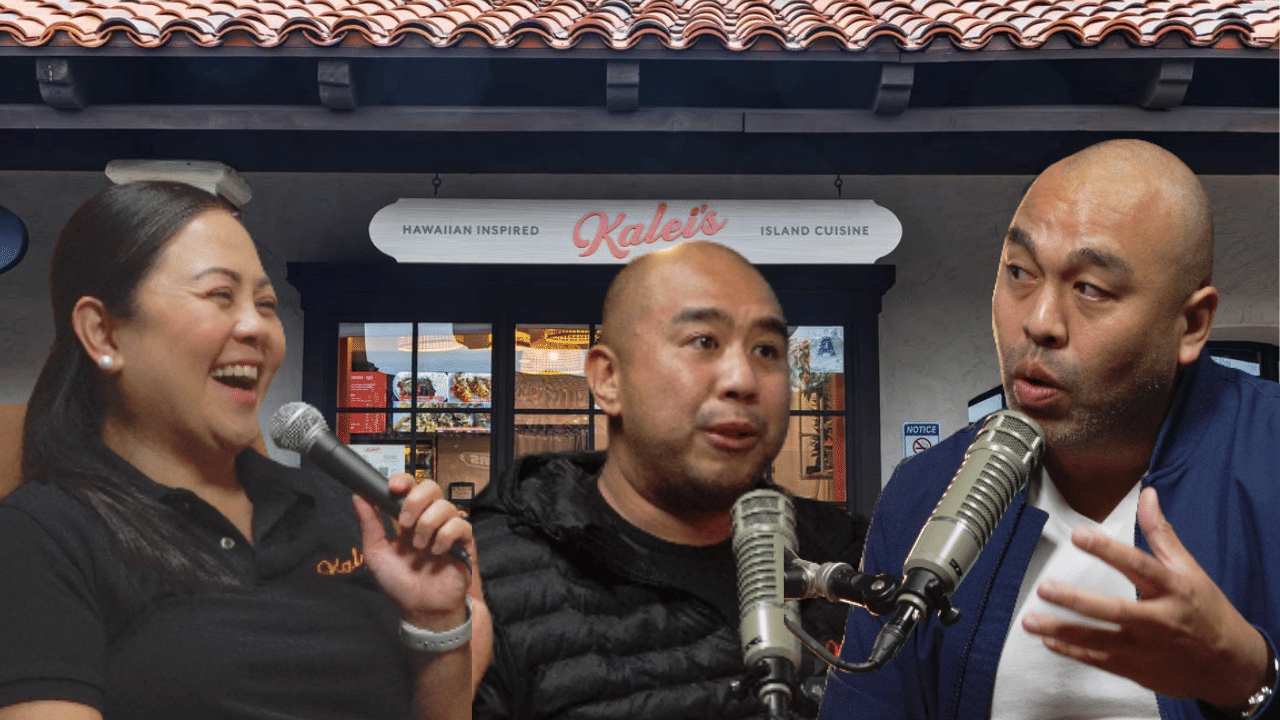
Andy and Khara Mangiduyos are the husband-and-wife team behind Kalei’s Kitchenette, a Hawaiian restaurant in Rancho Peñasquitos that has become known for its warm hospitality, community involvement, and thoughtful approach to food and business. More than just restaurant owners, Andy and Khara represent the kind of entrepreneurs who combine passion with discipline, creativity with planning, and culture with customer experience.
On The Personal Side of Business podcast, they share the real story behind building their business — from starting with catering and farmers markets to opening a brick-and-mortar location after years of preparation. Their journey highlights the realities of entrepreneurship in the food industry, the importance of resilience, and the value of building a business that reflects who you are.
Who Are Andy and Khara Mangiduyos?
Andy and Khara Mangiduyos are the owners of Kalei’s Kitchenette, a Hawaiian restaurant in San Diego focused on serving flavorful food with an authentic spirit of aloha. Together, they bring a combination of hospitality experience, operational discipline, marketing awareness, and family-centered values to their business.
Andy brings deep food and kitchen experience, including a background in hospitality and culinary operations, while Khara contributes strong marketing instincts, planning, customer experience awareness, and front-of-house strategy. Their partnership allows them to balance both the operational and guest-facing sides of the business.
What makes their story especially compelling is that they did not rush into opening a restaurant. Instead, they took years to learn, test, adjust, and build confidence before opening a permanent location.
Entrepreneurial Journey
Before opening their brick-and-mortar restaurant, Andy and Khara started Kalei’s Kitchenette as a catering and farmers market business in 2018. That phase of the business allowed them to test their concept, build brand recognition, and understand how customers responded to their food.
As they worked events and farmers markets across San Diego, they also began looking for the right permanent location. But the process was far from easy.
When COVID hit in 2020, they paused their original plans and became even more intentional. Rather than rushing forward, they used that period to focus on business planning, forecasting, and understanding the financial side of opening a restaurant. That decision became one of the smartest moves in their journey.
Eventually, after patiently searching, they found a location in Rancho Peñasquitos that fit their vision. It was close to home, had the right size, and most importantly, already had an existing kitchen setup — something that helped them avoid the massive time and expense of building a restaurant completely from scratch.
Their story is a strong example of measured entrepreneurship. Instead of moving quickly for the sake of momentum, they moved carefully, strategically, and with long-term sustainability in mind.
Key Business Insights
1. Planning matters more than excitement
Andy and Khara make it clear that passion alone is not enough to open a successful restaurant. They stress the importance of business plans, forecasting, and understanding the real numbers behind the dream.
2. Start with what gives you flexibility
By beginning with catering and farmers markets, they were able to build their brand, test operations, and generate revenue before taking on the higher overhead of a brick-and-mortar location.
3. Existing infrastructure can save a restaurant owner enormous time and money
One of their biggest insights is the value of finding a location with an existing kitchen, grease trap, and hood system already in place. That can dramatically reduce startup costs, permitting delays, and buildout headaches.
4. Customer experience is more than food
Their hospitality mindset extends beyond the plate. From how the space feels, to how customers are greeted, to the overall atmosphere, Andy and Khara understand that people remember how a place makes them feel.
5. Hiring the right people matters
They believe skills can be taught, but attitude is harder to train. For them, the right team members must fit the culture of the business and align with the spirit of aloha they want customers to feel.
6. Community is part of the business model
Kalei’s Kitchenette is not just a restaurant. It is part of their local community. They support schools, fundraising efforts, events, and relief efforts, showing that entrepreneurship can also be a vehicle for service.
Topics Discussed on the Podcast
In this episode of The Personal Side of Business, Andy and Khara discuss:
how Kalei’s Kitchenette started as a catering and farmers market business
what they learned while searching for a brick-and-mortar location
why COVID forced them to become even more strategic
the value of business planning before opening a restaurant
how square footage, overhead, and layout affect restaurant sustainability
why customer experience goes far beyond the food itself
the importance of team culture and hiring for attitude
how they balance marriage, family life, and business ownership
why community involvement is central to their business philosophy
how restaurants need multiple revenue streams beyond walk-in traffic
Why Their Story Matters
Andy and Khara’s story matters because it reflects the reality behind many successful small businesses: growth often looks slower, messier, and more deliberate than people expect.
Their journey is especially valuable for entrepreneurs because it shows that success does not come only from a good product. It comes from a combination of:
patience
planning
financial awareness
teamwork
adaptability
community connection
They also show that building a business as a married couple requires communication, trust, role clarity, and mutual respect.
For people interested in restaurants, hospitality, entrepreneurship, or family-run businesses, their story offers both practical lessons and personal inspiration.
If you want to hear the full conversation with Andy and Khara Mangiduyos, listen to their episode on The Personal Side of Business podcast.
In the episode, they share the behind-the-scenes realities of opening Kalei’s Kitchenette, the hard lessons they learned through farmers markets and planning, and how they built a restaurant rooted in aloha, hospitality, and community.
FAQ
Who are Andy and Khara Mangiduyos?
Andy and Khara Mangiduyos are the owners of Kalei’s Kitchenette, a Hawaiian restaurant in Rancho Peñasquitos, San Diego.
What is Kalei’s Kitchenette?
Kalei’s Kitchenette is a Hawaiian food business that began with catering and farmers markets before growing into a brick-and-mortar restaurant.
How did Andy and Khara start their business?
They started in 2018 with catering and farmers markets, using that time to build experience, brand recognition, and customer trust before opening a physical restaurant location.
Why is their business story important for entrepreneurs?
Their story highlights the importance of planning, financial preparation, hiring the right people, and creating a memorable customer experience.
What makes Kalei’s Kitchenette different?
Kalei’s Kitchenette combines Hawaiian-inspired hospitality, thoughtful customer service, community connection, and a strong focus on both food quality and business sustainability.
What advice do Andy and Khara give to people wanting to open a restaurant?
They emphasize keeping your job while starting, learning the numbers, building a real business plan, gaining experience in the industry, and being realistic about costs, operations, and cash flow.
Key Takeaways
Andy and Khara built Kalei’s Kitchenette step by step rather than rushing into a restaurant lease
Starting with catering and farmers markets helped them test the concept and reduce risk
Business planning and financial forecasting played a major role in their success
A restaurant’s customer experience includes food, hospitality, atmosphere, and team culture
Hiring for attitude and values is just as important as hiring for skill
Community involvement can strengthen both a business and its long-term reputation
Their story shows how entrepreneurs can build a business that reflects both their values and their family life